


Properties of starch
How to Store Tapioca Starch Properly
Mar
Knowing how to store tapioca starch properly is essential for maintaining product quality, preventing moisture damage, and extending shelf life. Tapioca starch is widely used in food processing due to its neutral taste, high purity, and excellent functional properties. However, it is also highly sensitive to environmental conditions such as humidity, temperature, and improper handling.
If not stored correctly, tapioca starch can absorb moisture, form lumps, develop odor, or even become unsuitable for food production. For global buyers and food manufacturers, understanding proper storage practices is critical to ensure consistent product performance.
As a trusted supplier, EXPORTVN CO., LTD provides high-quality tapioca starch with export-standard packaging and storage recommendations to support international customers.
What Is Tapioca Starch and Why Proper Storage Matters
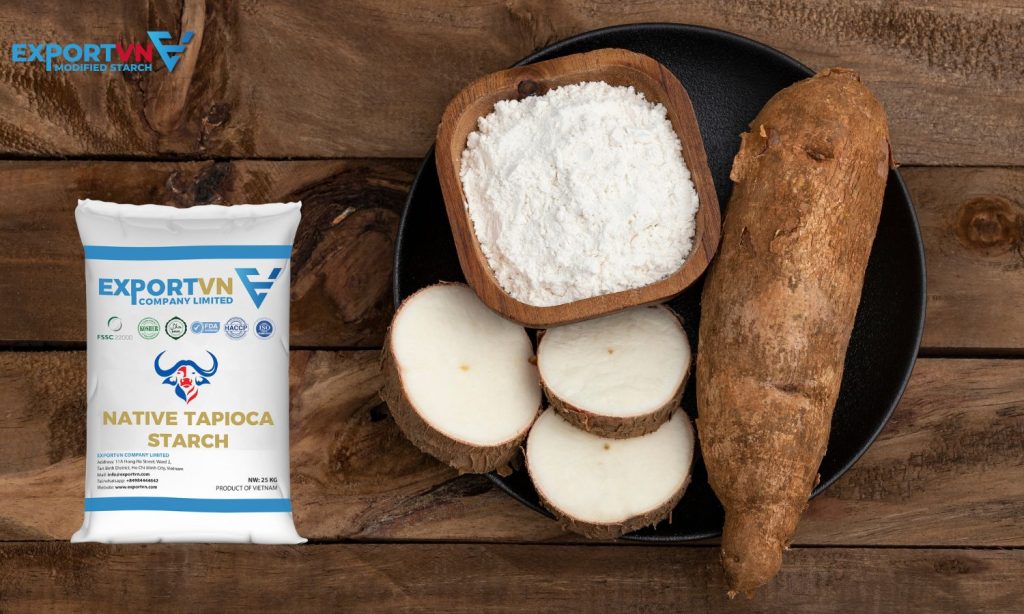
Tapioca starch is extracted from cassava root and is widely used in food applications such as sauces, noodles, bakery, and meat products. It is valued for its clean taste, white color, and strong thickening ability.
However, tapioca starch has one important characteristic: it is highly hygroscopic, meaning it easily absorbs moisture from the environment.
Why Storage Conditions Are Critical
Improper storage can lead to:
- Moisture absorption → lump formation
- Microbial growth in high humidity
- Off-odor development
- Reduced functionality in food applications
For manufacturers using starch in products like noodles or coatings such as fried chicken, poor storage can directly affect product quality and processing performance.
Recommended Storage Conditions for Tapioca Starch
To maintain the quality of tapioca starch, it is important to control environmental conditions during storage.
Temperature Requirements
- Recommended temperature: below 30°C
- Avoid exposure to direct sunlight
- Prevent heat buildup inside containers or warehouses
High temperatures can accelerate moisture migration and affect starch stability.
Humidity Control
- Recommended humidity: below 70% RH
- Avoid damp environments
- Use ventilation to reduce moisture
High humidity is the main cause of clumping and mold growth in starch products.
Packaging Requirements
Proper packaging plays a key role in protecting tapioca starch from moisture.
Common packaging types include:
- PP woven bags with PE inner liner
- Kraft paper bags with PE liner
- Moisture-proof multi-layer packaging
Good packaging ensures that starch remains dry during storage and transportation.
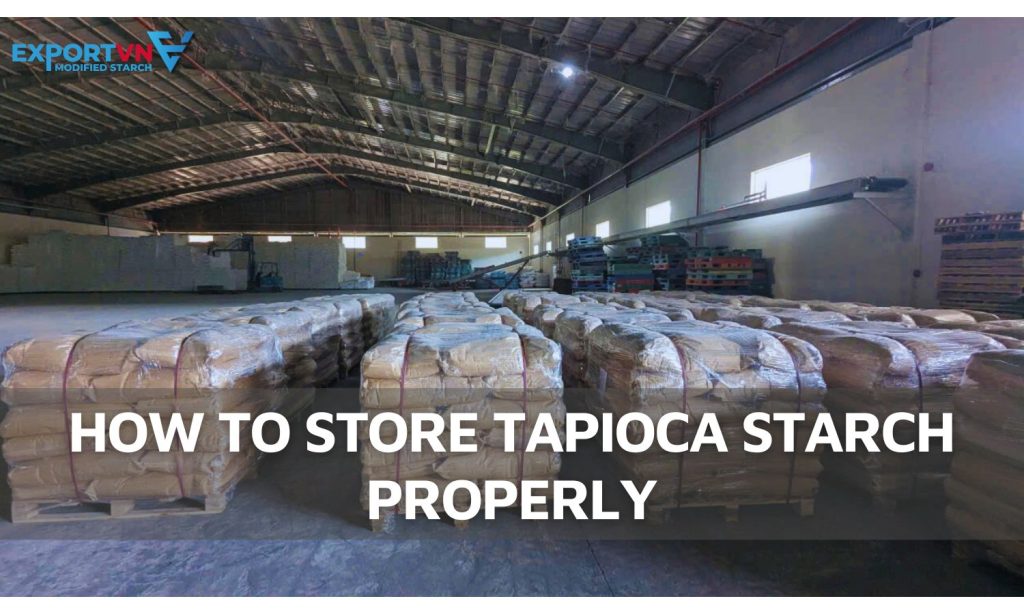
Warehouse Conditions
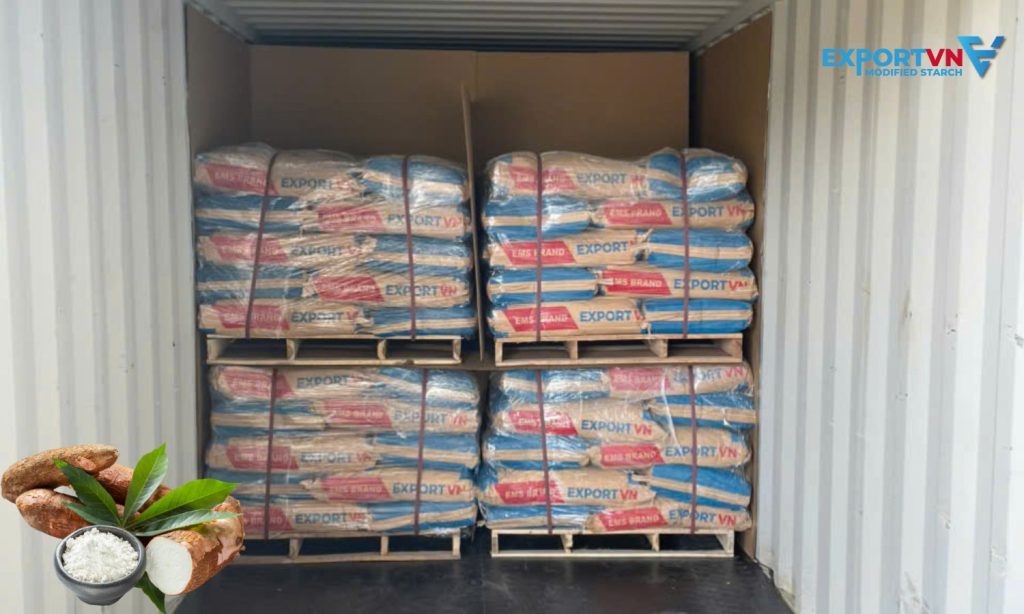
- Store in a dry and well-ventilated warehouse
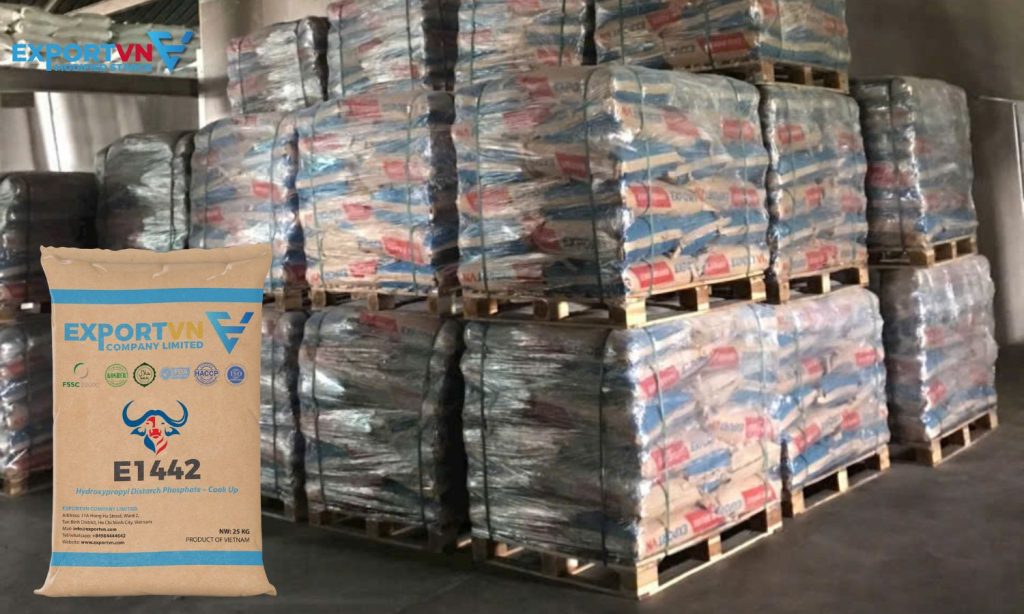
- Keep bags off the floor using pallets
- Avoid direct contact with walls
- Maintain proper spacing for airflow
Recommended Storage Conditions Table
| Factor | Recommended Condition |
|---|---|
| Temperature | Below 30°C |
| Humidity | Below 70% |
| Storage area | Dry, ventilated |
| Packaging | Moisture-proof |
How to Store Tapioca Starch During Transportation
For international shipments, storage conditions during transportation are just as important as warehouse storage.
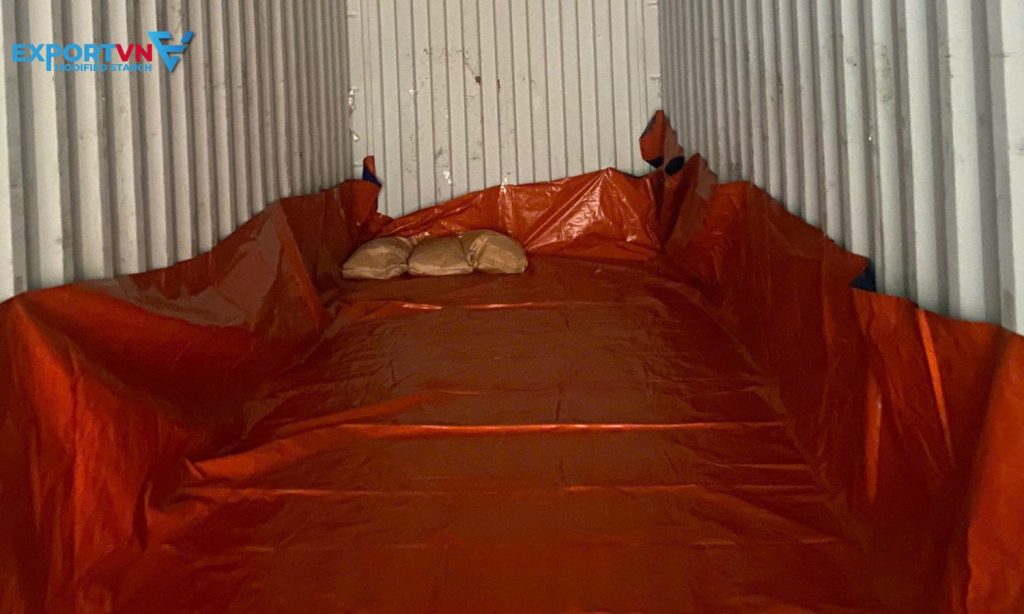
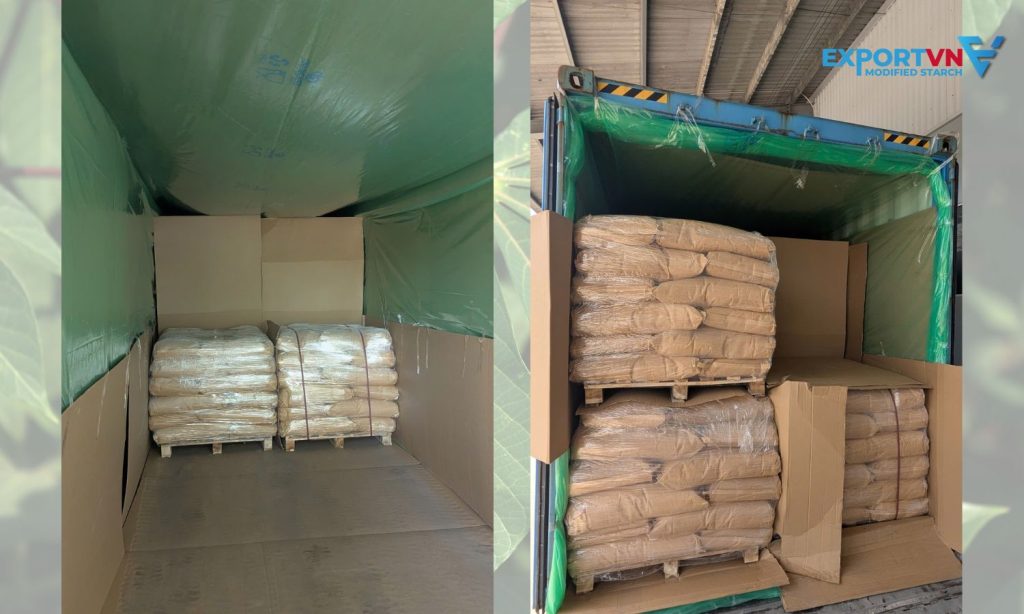
Container Storage Guidelines
- Use 20ft or 40ft dry containers
- Line container floors with plastic sheets or carton
- Ensure containers are clean and dry before loading
Protection Against Moisture
Moisture is the biggest risk during shipping.
Recommended solutions:
- Use desiccants or silica gel inside containers
- Avoid condensation caused by temperature differences
- Ensure proper container sealing
Loading Best Practices
- Do not stack goods directly against container walls
- Use carton lining or protective layers
- Avoid mixing with wet or high-moisture cargo
These practices help prevent moisture damage and maintain product integrity during long-distance shipping.
Shelf Life of Tapioca Starch and How to Extend It
Under proper storage conditions, tapioca starch typically has a shelf life of up to 24 months.
Factors Affecting Shelf Life
- Temperature and humidity
- Packaging quality
- Storage environment
- Handling practices
Maintaining optimal storage conditions helps preserve starch quality over time.
Signs of Quality Degradation
Buyers and manufacturers should regularly inspect starch for:
- Lump formation
- Unusual odor
- Discoloration
- Reduced functionality in processing
If any of these signs appear, the product may no longer meet quality standards.
Best Practices for Food Manufacturers and Importers
For B2B buyers, proper storage is part of a larger quality management system.
Recommended Practices
- Check COA (Certificate of Analysis) upon receiving goods
- Store products by batch (FIFO system)
- Perform periodic quality inspections
- Monitor warehouse conditions regularly
Working with a reliable supplier is equally important. Choosing a trusted partner such as EXPORTVN CO., LTD ensures consistent product quality, proper packaging, and technical support.
For buyers interested in technical specifications, you can also review the technical data sheet resources to better understand product characteristics before use.
Conclusion
Understanding how to store tapioca starch properly is essential for maintaining product quality, preventing moisture damage, and ensuring consistent performance in food applications.
Key takeaways:
- Keep temperature below 30°C
- Maintain humidity below 70%
- Use moisture-proof packaging
- Store in dry, ventilated warehouses
- Apply proper handling during transportation
By following these guidelines, food manufacturers and importers can protect their raw materials and ensure stable production outcomes.
For high-quality starch products and expert support, contact:
Email: sales1@exportvn.com
WhatsApp: +84342121420
Website: https://exportvn.com/us/
