


Properties of starch
Ethylene Oxide (ETO) in Tapioca Starch
Mar
Understanding ethylene oxide (ETO) in tapioca starch is increasingly important for food manufacturers, importers, and distributors worldwide. In recent years, ETO has become a major concern in global food safety. As a result, many countries—especially in the European Union—have tightened regulations and increased product inspections.
Tapioca starch is widely used in food applications such as sauces, noodles, coatings, and processed foods. However, ensuring that it is free from ethylene oxide contamination is critical for compliance and market access. Therefore, working with a reliable supplier becomes essential. As a trusted partner, EXPORTVN CO., LTD provides high-quality tapioca starch that meets international safety standards.
What Is Ethylene Oxide (ETO)?
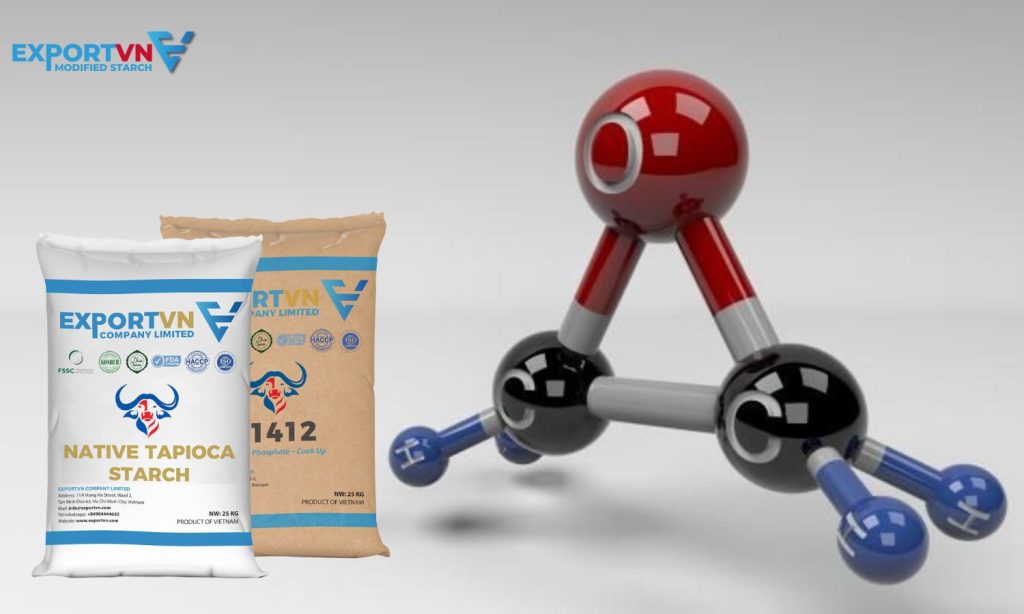
Ethylene Oxide (ETO) is a chemical compound commonly used as a sterilizing agent. It is highly effective in eliminating bacteria, fungi, and pests. For this reason, it has been used in certain industries for sterilizing spices, herbs, and sensitive materials.
Use of ETO in Food Processing
ETO has been applied for:
- Microbial control
- Pest control in stored food
- Sterilization of sensitive materials
Because of its effectiveness, it was historically used in certain food supply chains.
Why Is ETO Controversial?
Despite its effectiveness, ETO is classified as a potential carcinogen, meaning it may pose health risks if consumed in significant amounts over time.
This has led to stricter global regulations and increased attention to ethylene oxide in food safety, particularly in export markets.
Why Is Ethylene Oxide a Concern in Tapioca Starch?
Risk of ETO Residue
Tapioca starch itself does not naturally contain ETO. However, contamination may occur if ETO is used during storage, sterilization, or transportation.
As a result, buyers are increasingly concerned about:
- Ethylene oxide residue
- Contamination during logistics
- Compliance risks in export markets
Food Safety Implications
The presence of ETO residues in food ingredients has been linked to health concerns. As a result, regulatory authorities have implemented strict limits or bans.
For manufacturers using starch in products such as noodles or coatings like fried chicken, using contaminated ingredients can lead to serious compliance issues and product recalls.
Regulations on Ethylene Oxide in Tapioca Starch
Global regulations on ETO vary significantly depending on the market.
European Union (EU Regulations)
The EU has one of the strictest policies:
- ETO is not allowed in food
- Maximum residue limit (MRL): 0.01 mg/kg
- Practically considered zero tolerance
Any detectable level above this threshold may result in rejection or recall.
United States (FDA / EPA)
In the United States:
- ETO is not permitted directly in food ingredients
- Regulations differ from the EU
- Monitoring focuses on safety thresholds
Other Markets (Asia, Middle East, India)
- Regulations vary by country
- Some markets are less strict
- Exporters must comply with destination requirements
Regulatory Overview Table
| Market | Regulation |
|---|---|
| EU | Strict ban, 0.01 mg/kg |
| USA | Restricted use |
| Asia | Varies by country |
Impact on Export Markets
ETO has become a critical factor in global trade. Products that fail to meet regulations may face:
- Shipment rejection
- Product recalls
- Financial losses
- Damage to brand reputation
For exporters, ensuring ETO compliance is essential for maintaining market access.
Does Tapioca Starch Contain Ethylene Oxide?
Tapioca starch does NOT naturally contain ethylene oxide.
Instead, contamination only occurs if ETO is introduced during:
- sterilization processes
- storage conditions
- transportation
Therefore, selecting properly manufactured starch is critical..
How to Ensure ETO-Free Tapioca Starch
Supplier Selection
Choosing the right supplier is the most important step.
Reliable suppliers should:
- Follow strict food safety standards
- Have controlled production processes
- Provide transparent documentation
Working with experienced exporters such as EXPORTVN CO., LTD helps reduce compliance risks.
Testing and Documentation
Buyers should always request:
- Certificate of Analysis (COA)
- ETO-free declaration
- Laboratory testing reports
You can also review detailed specifications through technical data sheet resources before selecting a product.
Alternative Sterilization Methods
Instead of ETO, safe alternatives include:
- Steam sterilization
- Heat treatment
- Controlled drying processes
These methods help maintain product safety without introducing harmful residues.
Why Choose a Reliable Supplier for ETO-Free Tapioca Starch
Selecting a trusted supplier is essential for ensuring product safety and compliance.
EXPORTVN Advantages
- Commitment to ETO-free products
- Exported to 25+ countries, including strict EU markets
- Certified with ISO 22000, HACCP, Halal, Kosher, FDA
- Consistent quality and traceability
For manufacturers looking for stable functional starch solutions such as Acetylated Distarch Adipate (E1422) or Hydroxypropyl Distarch Phosphate (E1442), working with a reliable supplier ensures both performance and compliance.
The issue of ethylene oxide (ETO) in tapioca starch is a critical topic for global food manufacturers and exporters. While tapioca starch itself does not contain ETO, improper handling or processing can lead to contamination.
Key takeaways:
- ETO is a regulated and restricted substance in many markets
- The EU applies strict zero-tolerance policies
- Contamination risks can be controlled through proper sourcing
- Choosing a reliable supplier is essential
By working with experienced suppliers like EXPORTVN CO., LTD, businesses can ensure compliance, product safety, and long-term success in international markets.
Email: sales1@exportvn.com
WhatsApp: +84342121420
Website: https://exportvn.com/us/
