


Properties of starch
Modified Corn Starch vs. Modified Tapioca Starch
Mar
Modified Corn Starch remains a cornerstone in global food manufacturing, yet many producers are now re-evaluating its performance against tapioca alternatives due to rising costs. Specifically, choosing the correct foundational ingredient directly dictates your final product’s texture, structural elasticity, and visual appeal. While both of these robust raw materials currently dominate the industrial ingredient market, their highly processed variants behave entirely differently under intense commercial pressures. Consequently, establishing a flawless industrial recipe requires R&D engineers to deeply understand these crucial physicochemical differences to perfect their noodles and sauce formulations. Many procurement teams now consult our product knowledge database to understand why big brands are switching to tapioca based thickeners.
In this comprehensive B2B technical guide, we will strictly analyze the molecular properties of both materials. By conducting a detailed comparison, we will highlight exactly how Modified Corn Starch performs in high-temperature environments compared to cassava root derivatives. Furthermore, we will showcase exceptional manufacturing solutions from EXPORTVN, focusing heavily on premium instant noodles production lines. From highly reliable native starch to the advanced E1420 and E1440 formulas, you will discover exactly how to optimize your global supply chain.
Botanical Origins of Modified Corn Starch and Tapioca
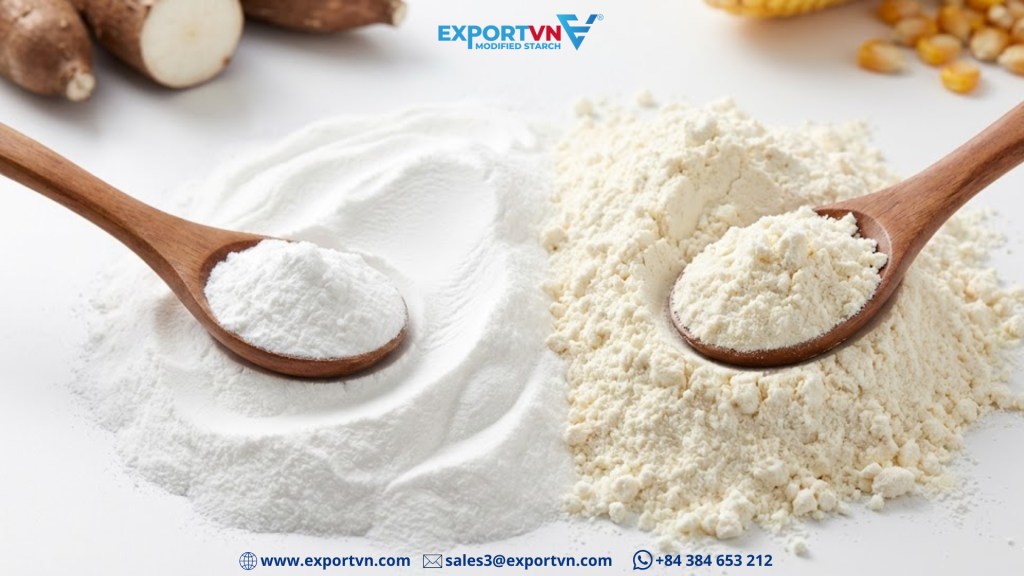
When conducting a deep analysis of Modified Corn Starch, food technologists must first examine the distinct botanical origins of the raw materials. Specifically, industrial extraction methods dictate the final purity of the commercial powder. Commercial maize extracts come directly from the cereal grain. Because of this specific biological origin, the maize kernel inherently contains much higher residual protein and lipid content compared to root tubers used to produce native tapioca starch. Consequently, this natural composition gives pastes made from Modified Corn Starch an opaque appearance, often lacking a premium glossy finish. Furthermore, it often carries a distinct cereal flavor that can mask delicate seasonings in high-end culinary formulations.
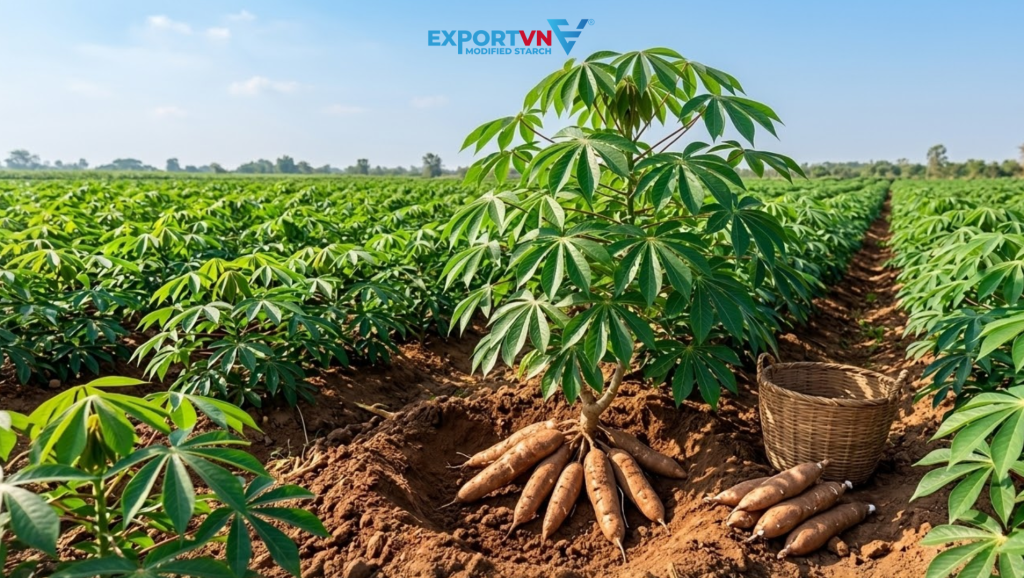
Conversely, modified derivatives from the cassava root offer absolute purity and stunning visual clarity. Because the rigorous water-based centrifugal extraction process washes away virtually all proteins and lipids, the resulting powder provides a spectacularly clean, neutral flavor profile. For manufacturers producing clear glass noodles or delicate transparent glazes for pastries, this pristine clarity is absolutely non-negotiable. Therefore, understanding the raw agricultural source is the absolute first step in mastering carbohydrate applications across your entire factory floor.
Gelatinization Profiles of Modified Corn Starch and Retrogradation
The physicochemical behaviors of Modified Corn Starch and tapioca diverge significantly during the crucial gelatinization phase. Specifically, the internal ratio of amylose to amylopectin dictates exactly how the paste behaves when heated and subsequently cooled. Maize-based powders, including various modified maize starch types, typically contain a much higher amylose percentage. Therefore, they require significantly higher temperatures to swell and cook completely. Furthermore, a prominent characteristic of Modified Corn Starch is its strong tendency to form a firm, rigid gel upon cooling down. This severe rigidity often causes failures when manufacturers attempt to create soft, elastic textures using standard modified starch. For more details on these behaviors, you can review our technical starch benefits guide.
While excellent for setting firm western-style puddings, the rigid structure of maize often ruins the desired chewiness in Asian delicacies. Conversely, cassava-based solutions deliver a dramatically lower gelatinization temperature. Moreover, they provide an exceptionally high peak viscosity without ever forming a stiff, unyielding gel. As a result, they create a wonderfully elastic, highly pliable texture that is highly demanded in premium desserts and refreshing fruit jelly. Consequently, these stark rheological differences completely determine their ultimate industrial destiny and dictate their practical application limits.
Why Manufacturers Choose Modified Corn Starch Solutions
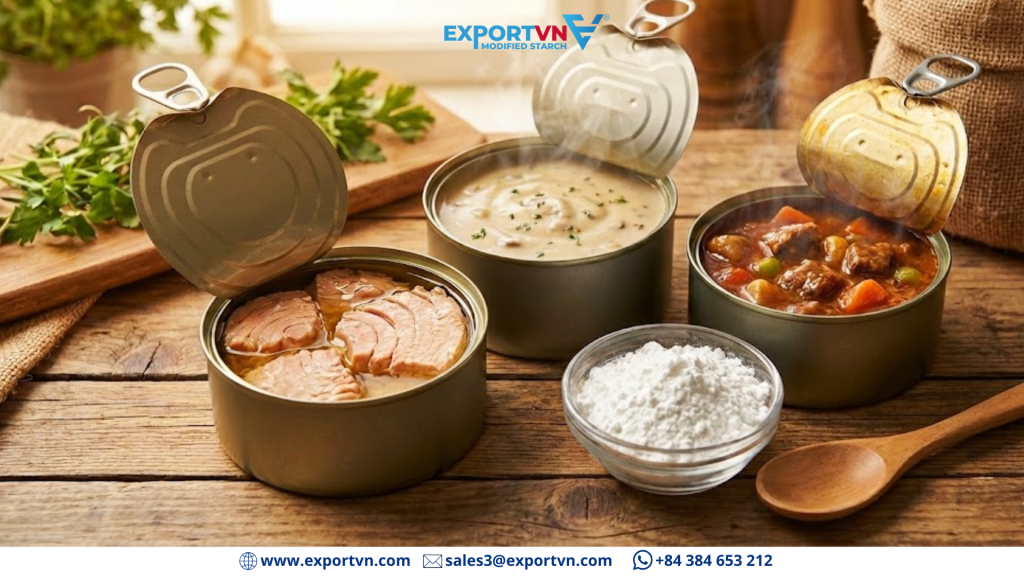
Industrial food processing environments subject raw materials to extreme heat, high acidity, and brutal mechanical shearing forces. Therefore, utilizing native starches directly often leads to severe structural failures during mass production. Specifically, unmodified microscopic granules rupture entirely under high-speed industrial mixers. Consequently, this complete cellular destruction causes severe syneresis and disastrous texture loss in the final consumer product, especially in liquid formulations like bottled sauces.
To resolve these critical issues, factories cannot simply rely on native powder; they must upgrade to Modified Corn Starch or high-performance cassava alternatives. Through highly controlled chemical processes, factories strengthen the internal molecular bonds significantly. By cross-linking or stabilizing the polymer chains through etherification, manufacturers guarantee consistent performance across massive daily production batches. Specifically, applying advanced E1422 technologies prevents the polymer chains from realigning and forcing water out of the gel matrix. Ultimately, these advanced variants allow global food brands to achieve extended shelf stability effortlessly.
Evaluating Modified Corn Starch in Asian Noodles
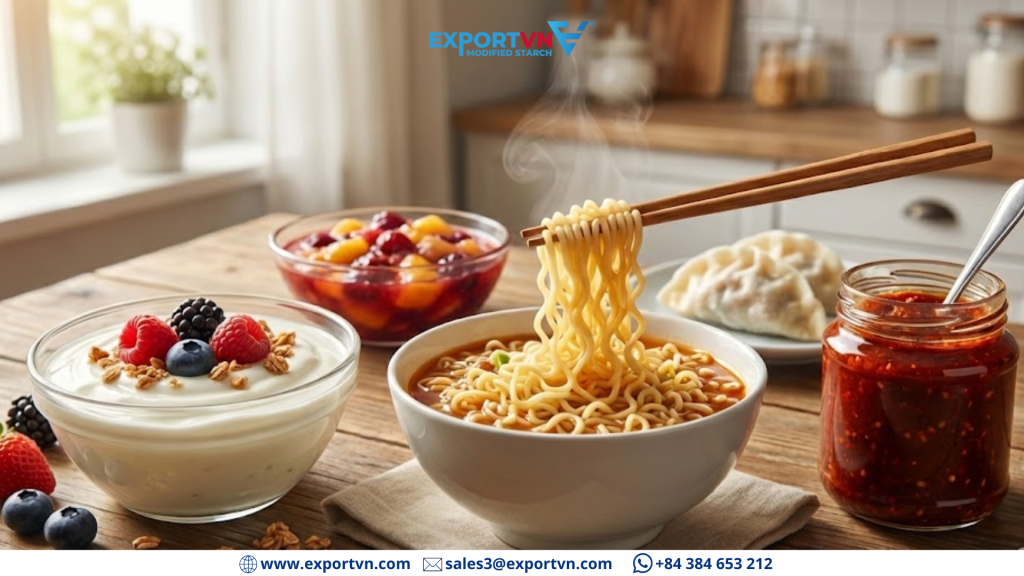
When allocating raw materials to different production lines, food technologists must match the ingredient perfectly to the target texture. While Modified Corn Starch excels in creating opaque, firm structures, tapioca completely dominates the global market for elasticity and phenomenal freeze-thaw stability. For the massive Asian pasta sector, cassava completely outperforms maize. Specifically, international consumers demand perfectly elastic, delightfully chewy strands. Therefore, EXPORTVN engineered specific cassava-based product lines to replace maize in this niche market, specifically targeting fresh noodles.
The Economical Foundation: Native Starch
First, the highly reliable native starch line provides an excellent foundation. Factories widely blend this pure carbohydrate to increase volume in standard dry pasta without compromising the structure. Additionally, it remains a fantastic bulking agent for crispy extruded snacks and savory potato chips. Furthermore, beverage brands rely on it entirely to craft chewy tapioca pearls. Moreover, global pet foods manufacturers increasingly incorporate this highly digestible carbohydrate into premium kibble, replacing standard wheat.
Anti-Retrogradation Stability: NOOFLO (E1420)
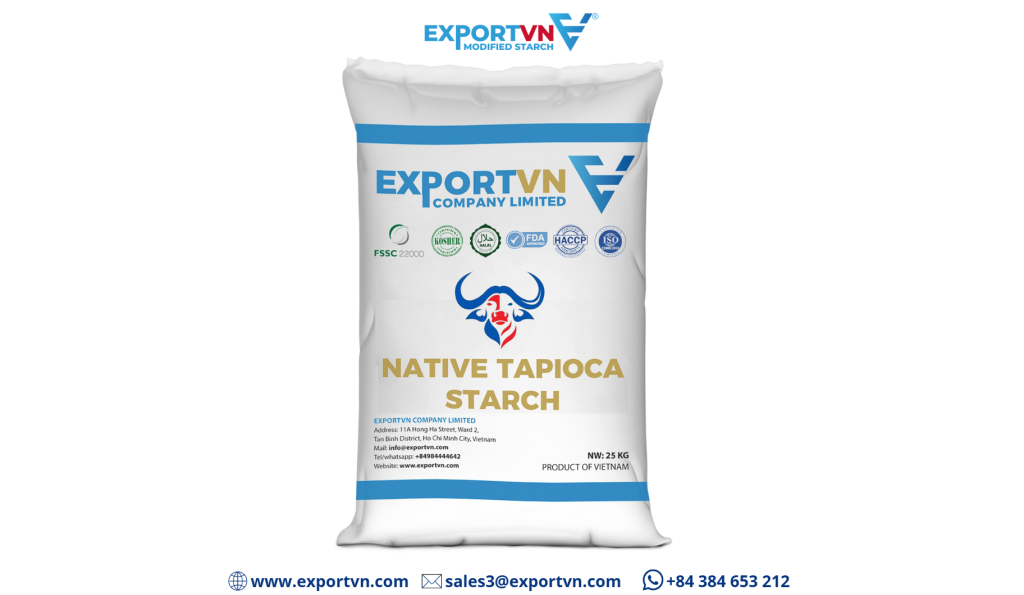
Second, the revolutionary NOOFLO series represents a technological breakthrough. This advanced E1420 product belongs to the highly stable acetylated starch family. Specifically, the precise acetylation process actively prevents retrogradation during extended cold storage. While waxy maize can also offer some stability, E1420 provides superior clarity for commercial pasta. Beyond the pasta industry, frozen food processors heavily utilize treated starch to manufacture bouncy meatballs and pasteurized sausages.
High Elasticity and Waxy Maize Starch Alternatives: BAOFLO (E1440)
Finally, the premium BAOFLO line delivers unparalleled manufacturing excellence. This exceptional E1440 product perfectly represents the globally renowned hydroxypropyl starch family. Undoubtedly, its most valuable characteristic is its spectacular film-forming capability. Consequently, dough containing this ingredient boasts incredible tensile strength and outstanding extensibility. Professional chefs strictly consider it their ultimate secret weapon for delicate pastries. Specifically, they use it to craft perfectly translucent wrappers for hot dumplings and soft mochi. Furthermore, traditional thick udon noodles depend entirely on it to achieve their signature bounce.
Performance of Modified Corn Starch in Condiments
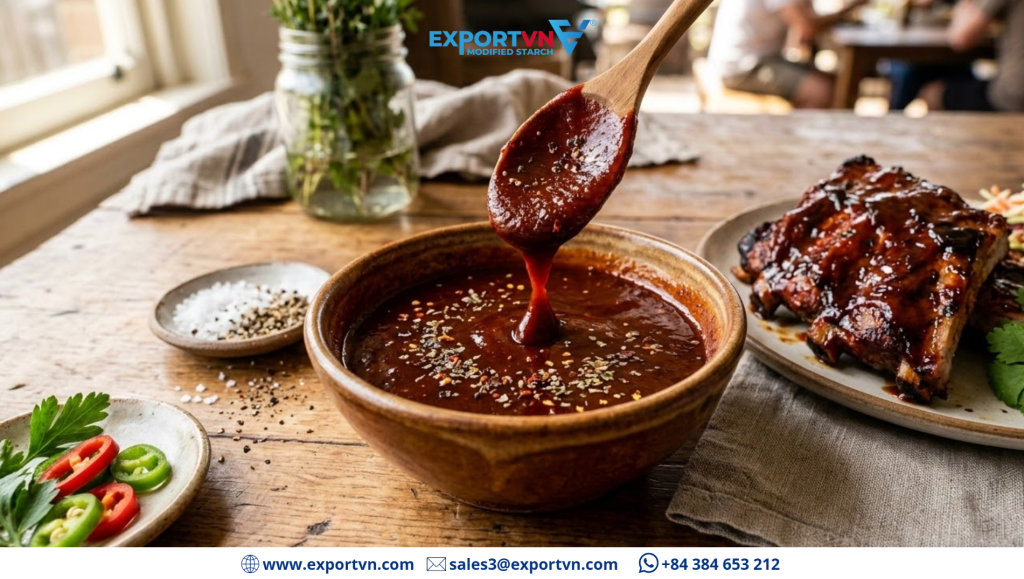
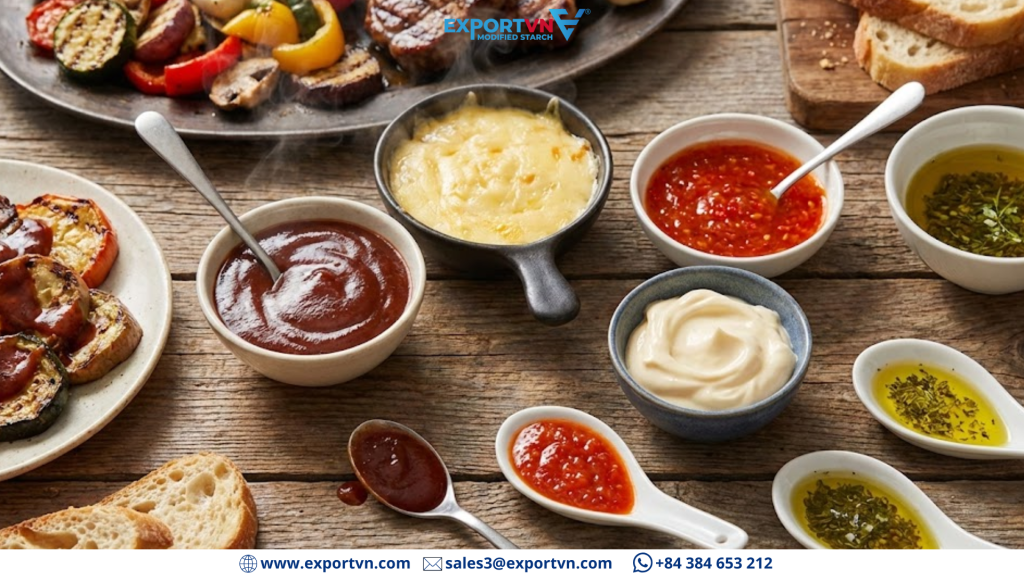
The ongoing industrial competition between Modified Corn Starch and tapioca heavily influences the condiment sector. While maize is traditionally used for opaque gravies, modern manufacturers increasingly prefer tapioca for its superior clarity and beautiful gloss. Factories desperately need highly robust thickeners for highly acidic environments. Therefore, our cassava-based E1414 lines strictly meet these intense demands. Consequently, they deliver a perfectly smooth texture flawlessly for spicy chili sauce and tangy ketchup. Furthermore, they stabilize creamy mayonnaise emulsions perfectly, entirely preventing oil separation.
Additionally, dietary fiber and altered starch serve as lifesavers for the commercial baking industry. When considering removing Modified Corn Starch to switch to tapioca, commercial bakers strongly prefer the latter for its superior moisture-retaining capabilities. When utilized correctly, they deeply retain essential moisture inside the soft crumb. For example, they prevent packaged bread from becoming stale and hard over multiple days. Similarly, sweet bakery products maintain their perfectly fluffy texture effortlessly, satisfying consumers worldwide.
Supply Chain Dynamics of Waxy Maize Starch and Cassava
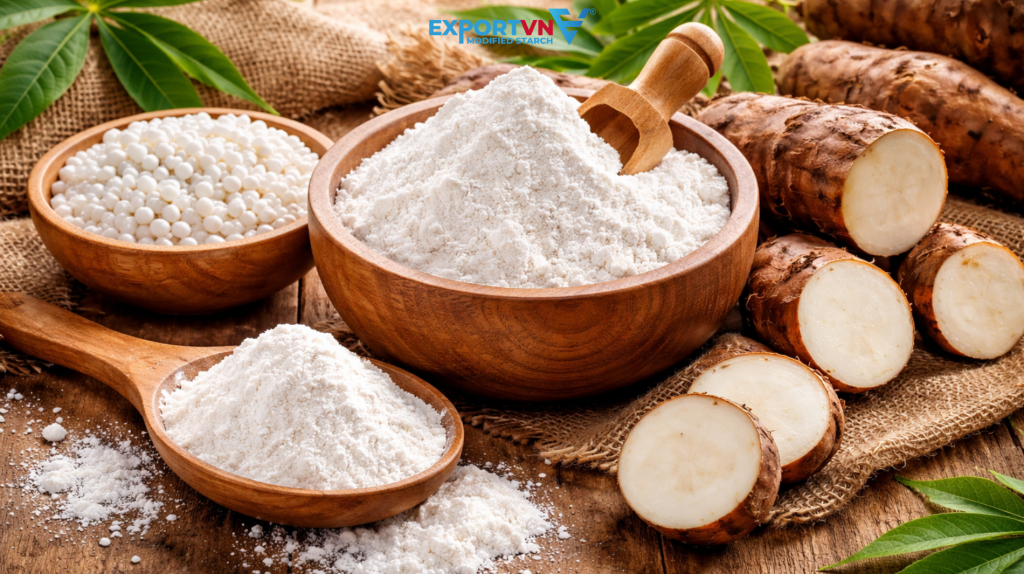
Furthermore, analyzing the global supply chain for Modified Corn Starch reveals massive strategic differences for procurement managers. Specifically, maize is heavily cultivated in North America and Europe, often utilizing genetically modified (GMO) seeds to maximize yields. In contrast, waxy maize starch might be used for specific freeze-thaw needs, but it often faces the same GMO scrutiny. Conversely, cassava is a robust tropical root crop cultivated extensively throughout Southeast Asia, particularly in Vietnam, utilizing completely natural varieties to produce premium modified tapioca starch.
Consequently, cassava derivatives inherently boast a natural, non-GMO status, which heavily appeals to modern health-conscious consumers. By securing long-term contracts with reputable Vietnamese suppliers, international food conglomerates guarantee a highly stable, cost-effective flow of premium raw materials. You can easily optimize your operational costs by carefully planning your bulk annual orders based on current pricing trends in Southeast Asian harvest seasons, bypassing the typical volatility associated with western cereal grain markets.
Replacing Modified Corn Starch in Your Factory
Ultimately, the decision to continue using Modified Corn Starch or switch entirely to tapioca requires deeply evaluating your factory conditions. If you manufacture opaque, sliceable gels or heavy western-style gravies, maize might suffice economically. However, if your consumers demand absolute clarity and spectacular elasticity, cassava derivatives win definitively. You simply cannot formulate a premium Asian noodles brand with maize without sacrificing the crucial chewy texture. The rheological breakdown of maize under high shear forces makes it entirely unsuitable for modern, automated production lines.
Furthermore, modern consumers actively seek clean-label, hypoallergenic, and non-GMO ingredients. Because cassava completely lacks harmful gluten, developing specialized gluten-free product lines firmly establishes your dominant market position. Therefore, directly substituting Modified Corn Starch in an existing recipe with tapioca requires extensive R&D testing. You absolutely cannot swap them 1:1 without facing significant textural changes. Proceeding with material substitutions requires rigorous laboratory validation to protect your final product quality. You can consult our modern production technologies data for detailed transition protocols. Ensuring proper hydration rates and temperature adjustments will guarantee a smooth transition while satisfying all supplier evaluation requirements.
Conclusion
In conclusion, the highly technical debate surrounding Modified Corn Starch and tapioca is easily resolved when you accurately define your factory’s specific application goals. While maize maintains its stronghold in certain traditional western applications requiring rigid gels, cassava undeniably dominates the demand for premium elasticity, perfect clarity, and phenomenal freeze-thaw resilience.
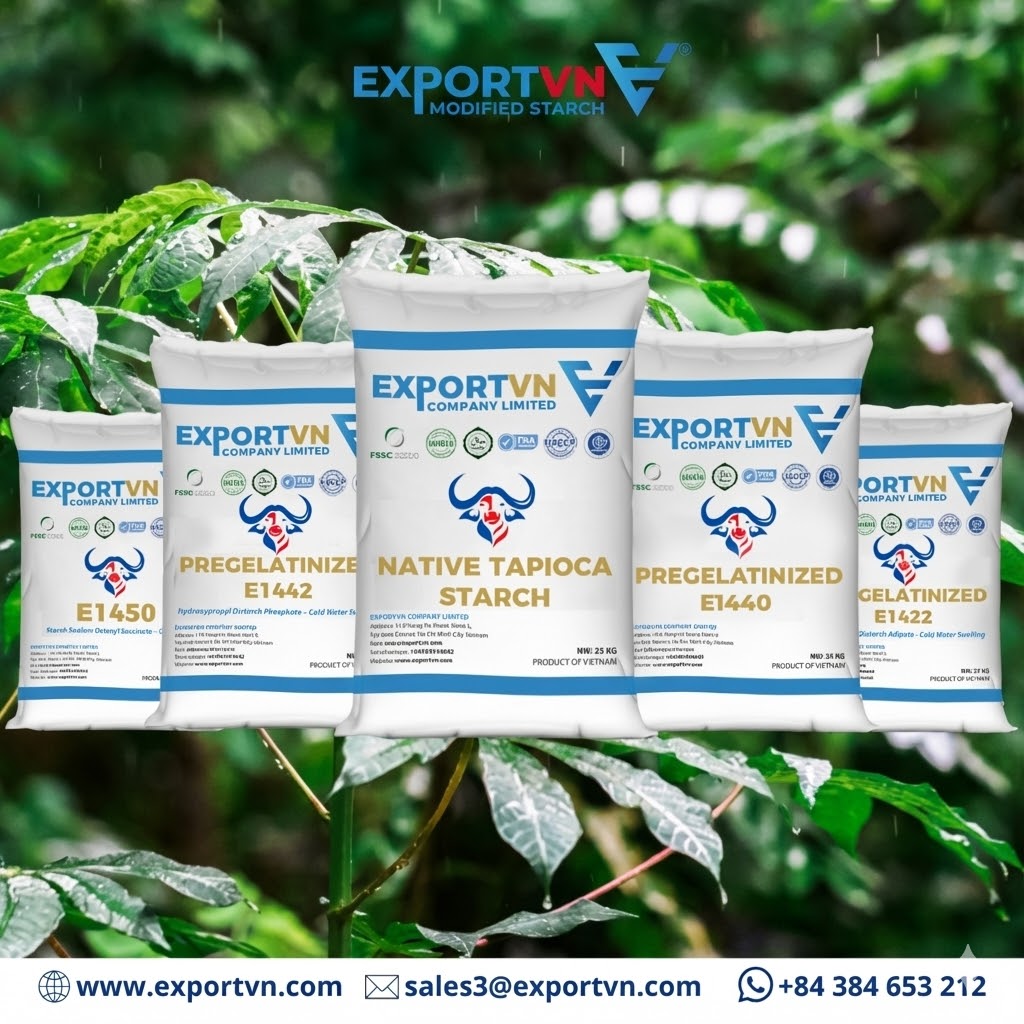
By strategically implementing EXPORTVN’s advanced E1420 and E1440 lines, your factory will instantly reduce noodle strand breakage, improve visual gloss, and massively extend product shelf life. Do not let inferior ingredients ruin your perfectly engineered formulations. Always remember that mastering the crucial differences between these two foundational materials is the ultimate key to conquering the highly competitive global F&B market and meeting international quality standards.
Contact us for a free sample and technical consultation:
Ray Le (Mr.)
Overseas Sales Executive
EXPORTVN CO., LTD
Office: No. 41, T2 Street, Manhattan Villa Area, Vinhomes Grand Park, Long Binh Ward, Ho Chi Minh City, Vietnam.
Whatsapp/Mob: (+84) 984444642
Email: info@exportvn.com
Web: exportvn.com | modifiedfoodstarch.com
