


Properties of starch
TAPIOCA STARCH IN FROZEN FOODS
Mar
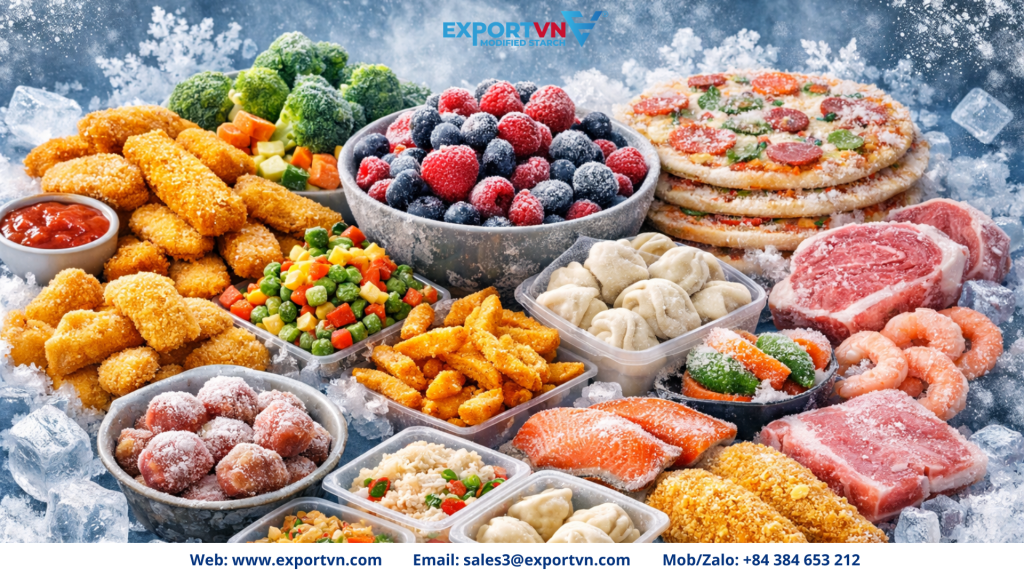
Implementing Tapioca Starch in Frozen Foods represents a vital requirement for modern manufacturing globally. Specifically, demand for convenience meals and packaged pastries is skyrocketing today. Therefore, production managers face a highly complex challenge. Namely, they must maintain original food textures through unforgiving cold supply chains. Utilizing the correct carbohydrate base is no longer an optional luxury. Instead, it is a strict requirement for commercial success. Undoubtedly, commercial food products undergo immense molecular stress when frozen and thawed. This stress can completely ruin the consumer experience. Consequently, the texture must be properly managed by a premium modified starch.
In this B2B technical guide, we will explore advanced cassava derivatives. Furthermore, we will see exactly how they stabilize your products during extreme temperature fluctuations. Specifically, we will analyze premium modified codes from EXPORTVN. These include E1414, E1450, E1442, and E1422. Accordingly, this guide provides the exact technical knowledge needed to optimize your global manufacturing. Mastering the application of Tapioca Starch in Frozen Foods benefits your automated factory immensely. For instance, the material will effortlessly reduce product waste and improve visual appeal. Additionally, the solution significantly extends commercial shelf life across multiple categories.
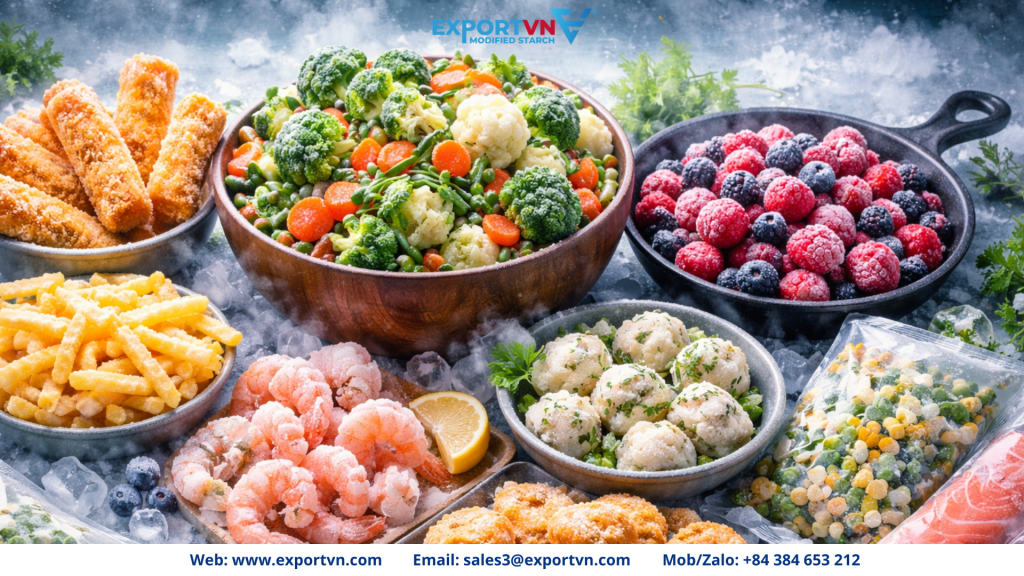
The Science Behind Tapioca Starch in Frozen Foods
Food technologists must first understand the destructive nature of industrial freezing. Indeed, this knowledge helps them truly appreciate these specialized ingredients. Typically, free water molecules inside the food matrix begin to crystallize at sub-zero temperatures. These sharp, expanding ice crystals puncture delicate cellular walls. Consequently, the damaged structure cannot hold internal moisture later. Particularly, this happens when the consumer thaws and cooks the product. As a result, this destructive process causes severe syneresis or water weeping. Ultimately, the reaction leads to a soggy, unappetizing texture. Moreover, the structural damage causes a massive loss of overall product weight.
Factories create a highly resilient shield around these water molecules. Specifically, they achieve this by strategically incorporating an advanced cross-linked starch. Naturally, the cassava root possesses magnificent water-binding capabilities. Therefore, its chemically treated variants completely prevent moisture migration. Basically, they act as a stabilizing matrix to restrict ice crystal growth. Therefore, utilizing Tapioca Starch in Frozen Foods guarantees texture preservation. Thus, your commercial products will maintain their freshly made quality. Furthermore, the items survive months inside fluctuating commercial freezers and transport containers.
Traditional cereal-based carbohydrates have a high tendency to retrograde. In other words, their polymer chains realign and squeeze out water upon cooling. Conversely, cassava derivatives remain wonderfully flexible unlike native corn or wheat. Undeniably, this fundamental rheological difference explains a major industry shift. For this reason, big international brands continually prioritize cassava solutions for cold-storage lines. These highly profitable products absolutely require maximum stability. Hence, cold storage starch solutions provide the ultimate structural insurance. For example, they are essential for a frozen soup or a complex ready-meal.
Essential Codes for Tapioca Starch in Frozen Foods
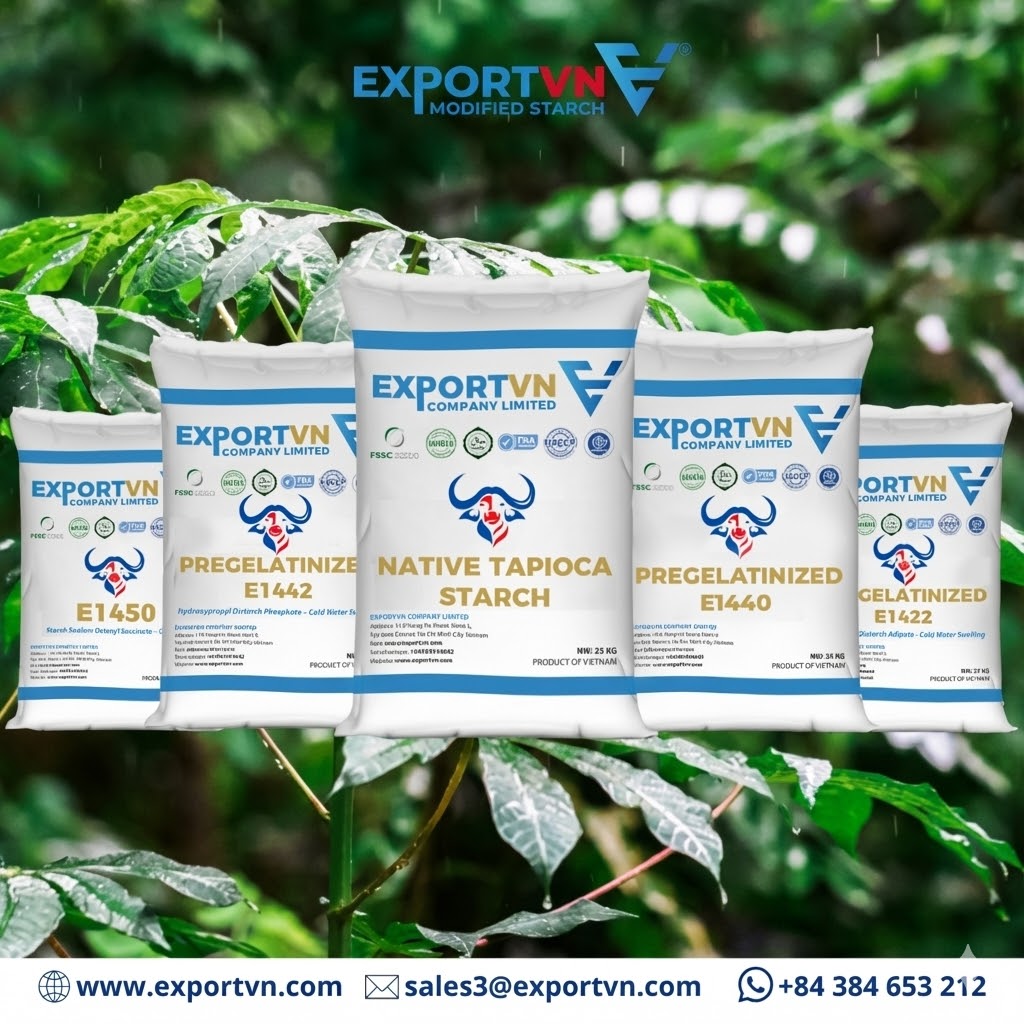
Not all carbohydrates behave equally under sub-zero conditions. Therefore, procurement and R&D teams must select the exact chemical modification carefully. This ensures they successfully apply Tapioca Starch in Frozen Foods. Below, we detail the top industrial solutions engineered by EXPORTVN. Notably, these products conquer freeze-thaw instability completely. Consequently, utilizing them will elevate your manufacturing efficiency.
E1414: Acetylated Distarch Phosphate
The E1414 variant is an exceptionally robust ingredient. Specifically, the powder is tailored for highly demanding processing environments. This starch achieves magnificent structural integrity. Chiefly, the base uses a dual process of chemical cross-linking and precise acetylation. Consequently, the material provides outstanding resistance against high heat. Additionally, the paste withstands brutal mechanical shearing and low pH environments. Therefore, E1414 actively prevents the gel matrix from collapsing. Usually, this collapse occurs during the intense blast-freezing process. Hence, the thickener is highly recommended for frozen liquid formulations. Excellent applications include pre-packaged commercial sauces and frozen soups. Ultimately, the solution ensures a perfectly smooth, syneresis-resistant texture upon reheating.
E1422: Acetylated Distarch Adipate
E1422 stands out as the absolute gold standard in the food industry. Undoubtedly, the ingredient delivers exceptional overall freeze-thaw stability. This cross-linked powder delivers a brilliantly clear, glossy paste. Furthermore, the gel easily withstands brutal temperature shocks without breaking down. Implementing this premium grade of Tapioca Starch in Frozen Foods is highly beneficial. Specifically, the addition guarantees that your products will absolutely not weep water upon defrosting. Food factories rely heavily on this ingredient for rich, creamy textures. For instance, the thickener is perfect for fruit pie fillings and savory meat marinades. Furthermore, its naturally gluten-free profile is a huge advantage. Consequently, proactive brands can capture the lucrative health-conscious demographic effortlessly.
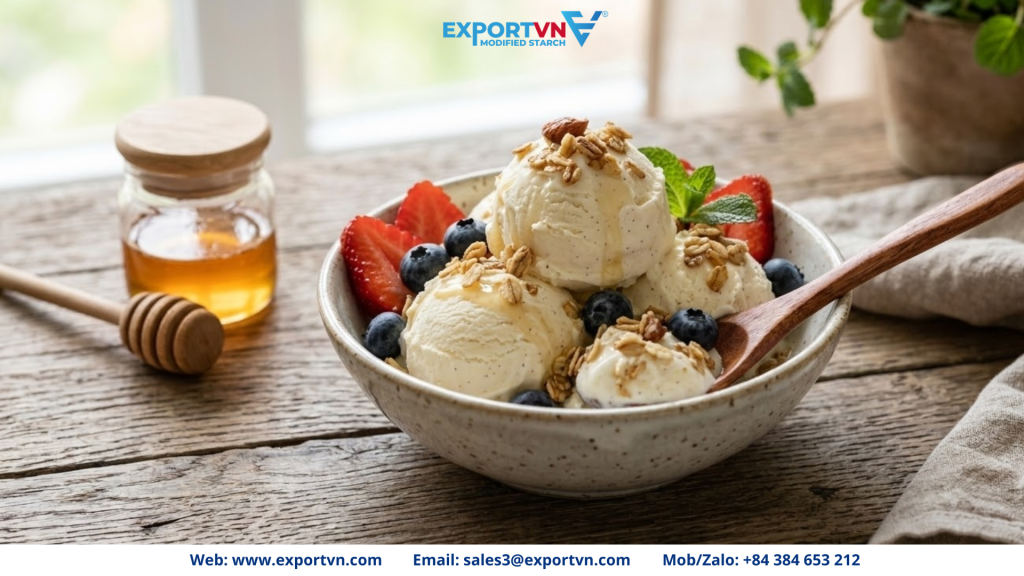
E1442: Hydroxypropyl Distarch Phosphate
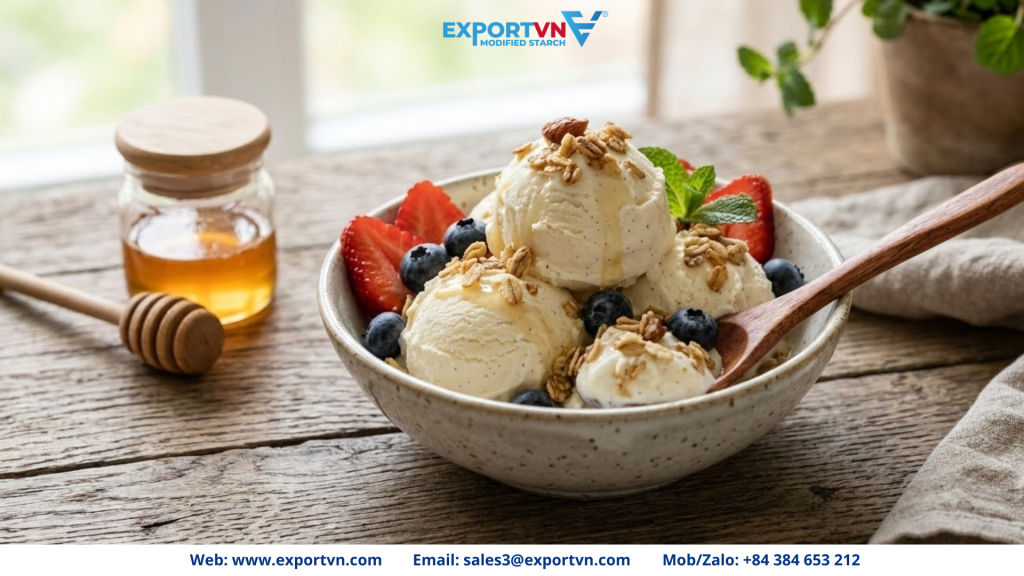
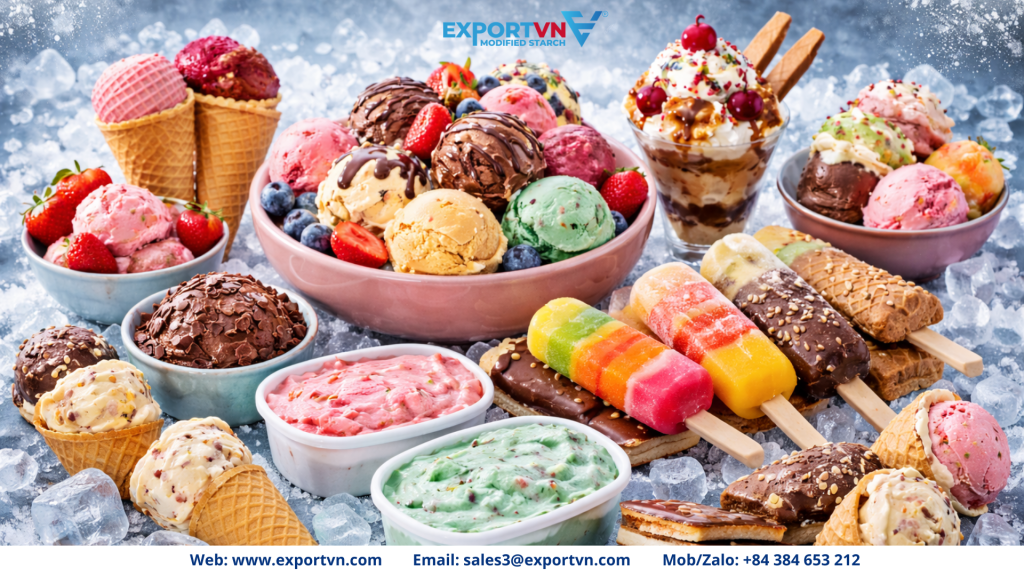
E1442 is the ultimate technological answer for prolonged cold-storage endurance. The precise hydroxypropylation process introduces bulky molecular groups. Next, these groups actively prevent the starch polymer chains from realigning. This reaction stops the chains from forcing water out of the delicate food system. Therefore, integrating this specific Tapioca Starch in Frozen Foods is crucial. As a result, the ingredient ensures maximum durability across multiple, aggressive temperature cycles. Furthermore, the material acts as the secret foundational ingredient behind premium frozen desserts. Consequently, the final formulation provides a remarkably smooth, rich mouthfeel. This appealing texture perfectly mimics expensive dairy fats. Ultimately, E1442 protects your brand’s quality reputation flawlessly during unpredictable transit.
E1450: Starch Sodium Octenyl Succinate
Standard industrial thickeners solely manage water content. Unlike them, E1450 acts as a highly powerful emulsifier. Notably, this specialized ingredient possesses hydrophilic and lipophilic properties simultaneously. Consequently, the starch stabilizes complex oil-in-water emulsions flawlessly. Moreover, the powder performs exceptionally well even during deep freezing procedures. Manufacturers can easily bind fats and water together. Thus, this highly functional Tapioca Starch in Frozen Foods simplifies difficult recipes. Examples include frozen mayonnaise or lipid-rich meat batters. Specifically, the additive actively prevents the oil from separating upon thawing. This chemical trait ensures a consistently rich and creamy consumer experience every single time.
Industrial Applications of Tapioca Starch in Frozen Foods
These advanced materials offer incredible versatility to food engineers. Furthermore, they solve complex, long-standing textural challenges. This applies across a wide variety of highly profitable food categories. Consequently, factories can optimize their entire production portfolio easily. They simply need to understand the advantages of modified tapioca. Particularly, a specialized acetylated starch provides incredible value for frozen meals.
Enhancing Frozen Meat and Seafood
Retaining natural juices is absolutely critical in the frozen protein sector. Undoubtedly, the moisture level determines both commercial profitability and eating quality. The cellular structure often degrades rapidly during freezing. Consequently, the loss leads to dry, tough, and highly unappealing textures after cooking. However, injecting meats with modified cassava solutions solves this completely. For example, automated commercial factories utilize these starches extensively. They bind moisture deeply inside bouncy meatballs and pasteurized sausages. Manufacturers must strategically deploy Tapioca Starch in Frozen Foods. As a result, this action significantly increases their total cooking yield. It also drastically reduces moisture shrinkage and delivers a juicy bite.
Perfecting Frozen Bakery and Pastry Doughs
The commercial baking industry heavily relies on flash-freezing technologies. Basically, this process allows them to distribute their delicious products globally. However, frozen dough often loses its structural elasticity over time. Additionally, sweet pastry fillings also tend to leak water directly into the crust. This moisture migration causes a disastrous “soggy bottom” effect. Thankfully, utilizing advanced cassava derivatives prevents this failure completely. Professional bakers incorporate specific modified grades into their recipes. Consequently, they craft perfectly translucent, freeze-resistant wrappers for hot dumplings. The starch also creates the delightfully soft exterior of mochi. Applying Tapioca Starch in Frozen Foods benefits bakery products immensely. Specifically, the powder ensures that sweet fruit fillings maintain their high viscosity. Therefore, the fruit pieces do not boil over during the final baking phase.
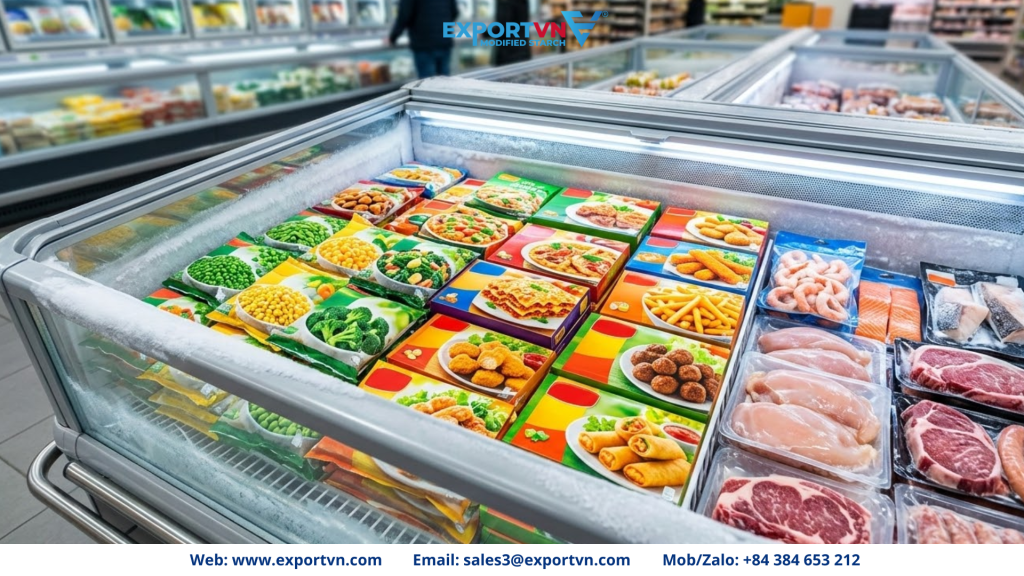
Stabilizing Ready-to-Eat Microwave Meals
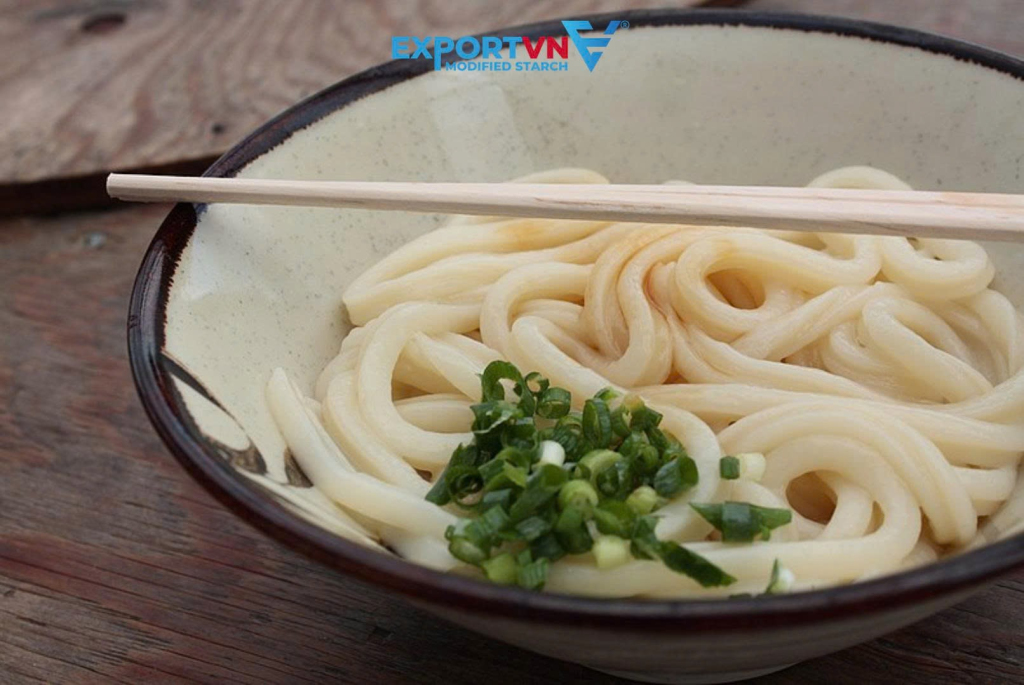
The modern, fast-paced consumer demands extreme convenience. Naturally, this behavior drives the massive exponential growth of microwaveable ready-to-eat meals. These highly complex dishes often contain delicate meats and crisp vegetables. Furthermore, the trays also feature complex sauces packed closely together. Food technologists must implement exceptionally robust stabilizers. Otherwise, the gravy will break down and separate. By utilizing highly cross-linked Tapioca Starch in Frozen Foods, factories succeed. Specifically, they ensure that the gravies remain thick and beautifully glossy. Additionally, the plants incorporate these ingredients into instant noodles. Applying them to fresh noodles before flash-freezing is also highly effective. Ultimately, the technique guarantees that the delicate strands do not break or become mushy.
The Economic Impact of Tapioca Starch in Frozen Foods
Switching from cereal-based starches offers profound economic benefits. Indeed, advanced cassava derivatives improve technical performance and profitability. A product loses physical water weight when it suffers from severe syneresis. Importantly, commercial food products are strictly sold by weight. Therefore, this moisture loss directly equates to lost revenue. By utilizing highly efficient Tapioca Starch in Frozen Foods, factories win. Specifically, the plants maximize their internal water-holding capacity significantly. This operational upgrade effectively increases the final yield of every single batch produced.
Reducing customer complaints is also crucial for business growth. For instance, soggy textures or separated sauces can damage your brand equity. Fixing these issues minimizes costly product returns from major retailers. Moreover, cassava operates brilliantly at slightly lower dosages compared to native alternatives. Therefore, you can easily optimize your recipe costs with these solutions. You simultaneously deliver a superior product to the highly competitive market. In conclusion, using cassava starch for cold supply chains is a vital financial strategy.
Sourcing Reliable Tapioca Starch in Frozen Foods
Selecting the correct chemical code is only the first step. Similarly, sourcing it from a highly reliable supplier is equally crucial. EXPORTVN proudly stands as a premier manufacturer in Vietnam. Specifically, we are located in the absolute heart of a rich agricultural zone. We guarantee a stable, highly consistent year-round supply. Consequently, this reliability allows your procurement team to bypass volatile price fluctuations. As you know, western cereal grain markets are often very unpredictable.
Our state-of-the-art facilities maintain rigorous quality control. For example, every batch of E1414 and E1422 meets strict international standards. The same strict rule applies to E1442 and E1450. Choosing to implement our Tapioca Starch in Frozen Foods is a smart investment. Furthermore, you are actively investing in absolute operational peace of mind. Ultimately, the partnership guarantees long-term supply chain security for your entire enterprise.
Conclusion
Mastering this industrial application is the ultimate key to market domination. Undoubtedly, the modern convenience food sector is highly lucrative but demanding. You should strategically upgrade your existing formulations with EXPORTVN’s solutions. As a result, your factory will instantly eliminate syneresis and protect product textures. This upgrade also massively extends your commercial shelf life safely.
You might be producing delicate sweet pastries or juicy meat products. Alternatively, you might formulate rich, complex sauces for ready meals. Our specialized cassava derivatives provide the exact technical stability you need. Therefore, do not let inferior ingredients ruin your perfectly engineered recipes. Harsh cold transit conditions require superior ingredient performance. Consequently, contact our expert technical team immediately to discover more. We will show you exactly how to optimize your manufacturing processes. Ultimately, you will reduce your operational costs and permanently protect your brand reputation.
Contact us for a free sample and technical consultation:
Ray Le (Mr.)
Overseas Sales Executive
EXPORTVN CO., LTD
Office: No. 41, T2 Street, Manhattan Villa Area, Vinhomes Grand Park, Long Binh Ward, Ho Chi Minh City, Vietnam.
Whatsapp/Mob: (+84) 984444642
Email: info@exportvn.com
Web: exportvn.com | modifiedfoodstarch.com
