


Common types of modified starch, Production Formula, Properties of starch
Dosage of E1420 Modified Tapioca Starch for Noodles
Apr
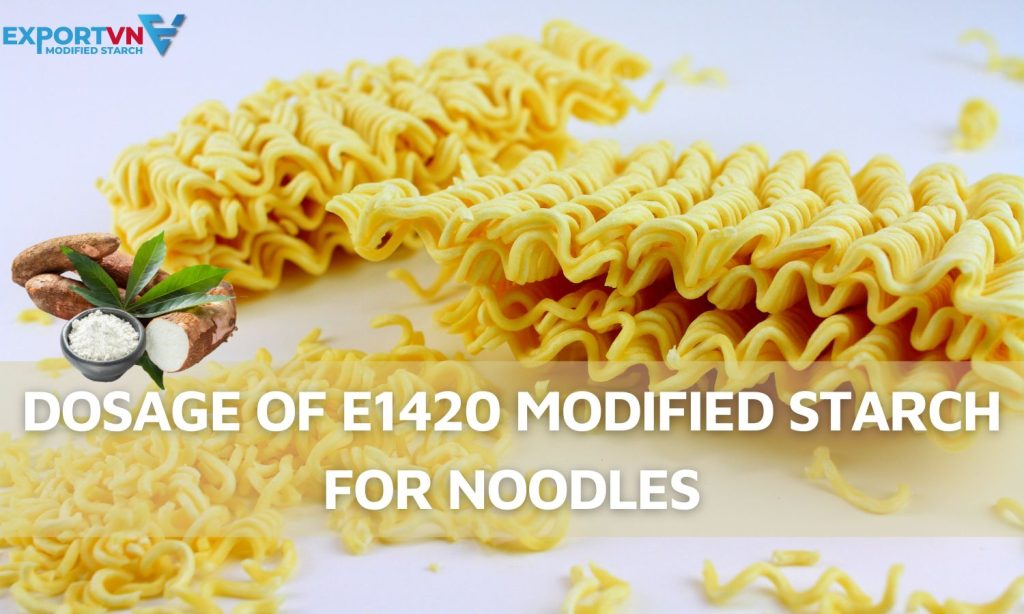
The dosage of E1420 modified tapioca starch for noodles is a key factor that directly affects noodle texture, elasticity, and processing performance. Whether you produce instant, fresh, or dried noodles, selecting the right dosage of INS 1420 (Acetylated Tapioca Starch) helps achieve consistent quality and better production efficiency.
As a reliable supplier, EXPORTVN CO., LTD offers high-quality acetylated starch E1420 tailored for global noodle manufacturers.
What Is E1420 Modified Tapioca Starch?
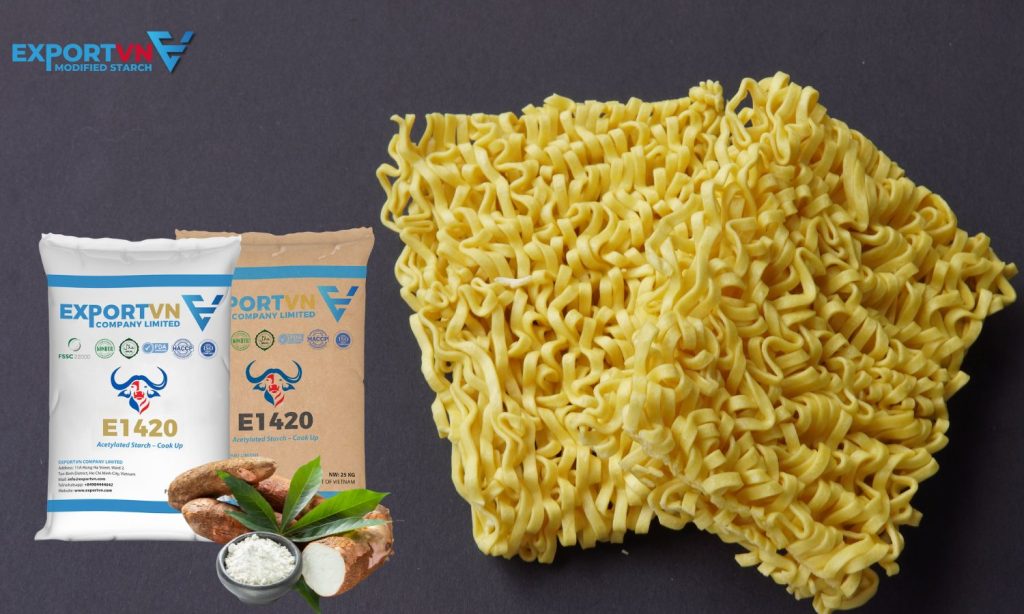
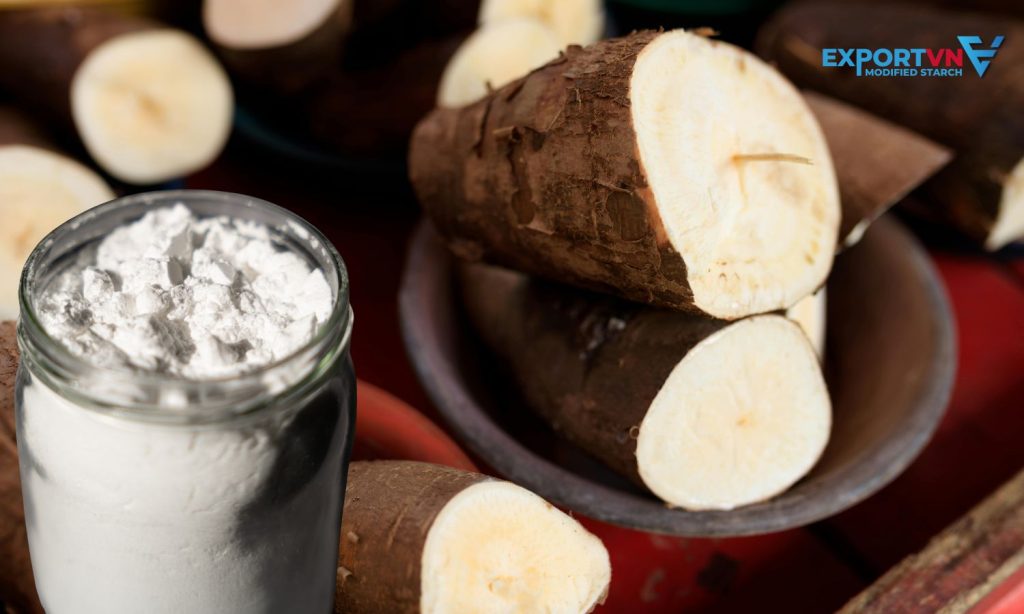
E1420 (INS 1420) is an acetylated starch derived from tapioca. It is widely used in food processing to enhance texture and stability.
Compared with native tapioca starch, acetylated tapioca starch provides:
- Better elasticity and chewiness
- Reduced cooking loss
- Improved noodle surface smoothness
- Higher water retention
- Reduced breakage during processing
Thanks to its neutral taste and clean texture, E1420 is highly suitable for noodle applications across different markets.
Why Dosage Matters in Noodle Formulation
The dosage of INS 1420 significantly impacts both processing and final product quality.
If the dosage is too low
- Limited improvement in elasticity
- Higher cooking loss
- Weak noodle structure
If the dosage is too high
- Noodles may become too soft or sticky
- Dough becomes difficult to handle
- Increased production cost
How the right dosage improves noodle quality
Using the correct amount of acetylated tapioca starch helps:
- Achieve balanced elasticity and firmness
- Improve cooking stability
- Enhance surface smoothness
- Maintain consistent quality across batches
Recommended Dosage of E1420 Modified Tapioca Starch for Noodles
The optimal dosage depends on noodle type and processing conditions.
| Noodle Type | Suggested Dosage (% flour basis) | Main Benefit |
|---|---|---|
| Instant noodles | 2.0 – 5.0% | Elasticity, reduced breakage |
| Fresh noodles | 1.5 – 3.5% | Smooth texture, improved bite |
| Dried noodles | 2.0 – 4.0% | Reduced cracking, cooking stability |
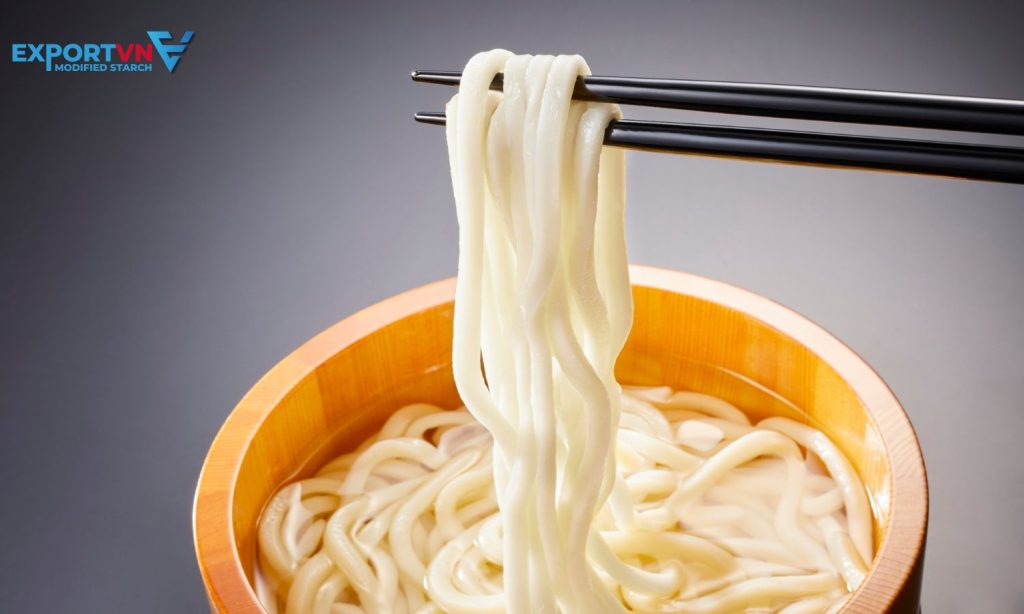
| Udon / thick noodles | 2.5 – 5.0% | Chewy texture, water retention |
Instant Noodles
In instant noodle production, E1420 helps improve frying stability and rehydration quality.
Fresh and Dried Noodles
For noodle applications, INS 1420 enhances elasticity and reduces breakage during processing.
Noodle Formulation: Basic Recipe Using E1420 Modified Tapioca Starch
To optimize noodle quality, a well-balanced formulation is essential. Below is a basic noodle formulation using E1420:
Typical Formula (Flour Basis)
| Ingredient | Percentage (%) |
|---|---|
| Wheat flour | 100% |
| E1420 / INS 1420 | 2.0 – 4.0% |
| Water | 30 – 35% |
| Salt | 1.0 – 2.0% |
| Kansui (optional) | 0.5 – 1.0% |
Function of E1420 in the Formula
In this formulation, acetylated tapioca starch helps:
- Improve elasticity and chewiness
- Reduce cooking loss
- Stabilize dough structure
- Improve noodle surface quality
Processing Steps
- Dry mix flour and E1420 evenly
- Add water gradually and mix
- Sheet and cut dough
- Process depending on noodle type (steaming, frying, or drying)
Adjustment Tips
- Increase E1420 if noodles break easily
- Reduce E1420 if noodles become too soft
- Adjust water level to match absorption
👉 This formulation should be tested and optimized based on your production conditions.
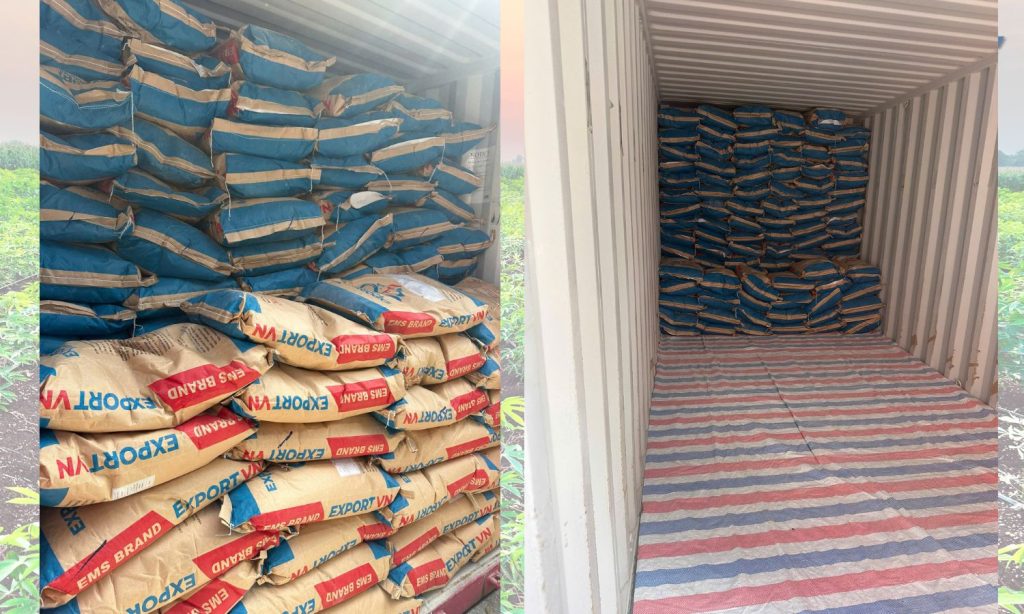
When and How to Add E1420 in Noodle Processing
Dry blending before hydration
Mix E1420 evenly with flour before adding water to ensure uniform distribution.
Adjusting water absorption
INS 1420 increases water-binding capacity, so slight water adjustments may be required.
Process factors that affect performance
- Flour protein content
- Mixing time
- Steaming or frying conditions
- Drying temperature
Benefits of Using the Right E1420 Dosage in Noodles
Better elasticity and bite
Creates desirable chewiness and improves eating quality
Lower cooking loss
Reduces starch leaching and improves yield
Reduced breakage
Strengthens noodle structure during processing and transport
More consistent product quality
Ensures stable results across batches
Better production efficiency
Reduces defects and improves processing performance
Common Questions About Dosage of E1420 for Noodles
What is the typical dosage of E1420 in noodles?
Usually between 1.5% and 5.0%, depending on noodle type.
Can E1420 replace native starch?
Yes, partially, to improve performance and stability.
Is higher dosage always better?
No. Excessive dosage can negatively affect texture and cost.
Can E1420 improve instant noodle texture?
Yes, it enhances elasticity and reduces breakage.
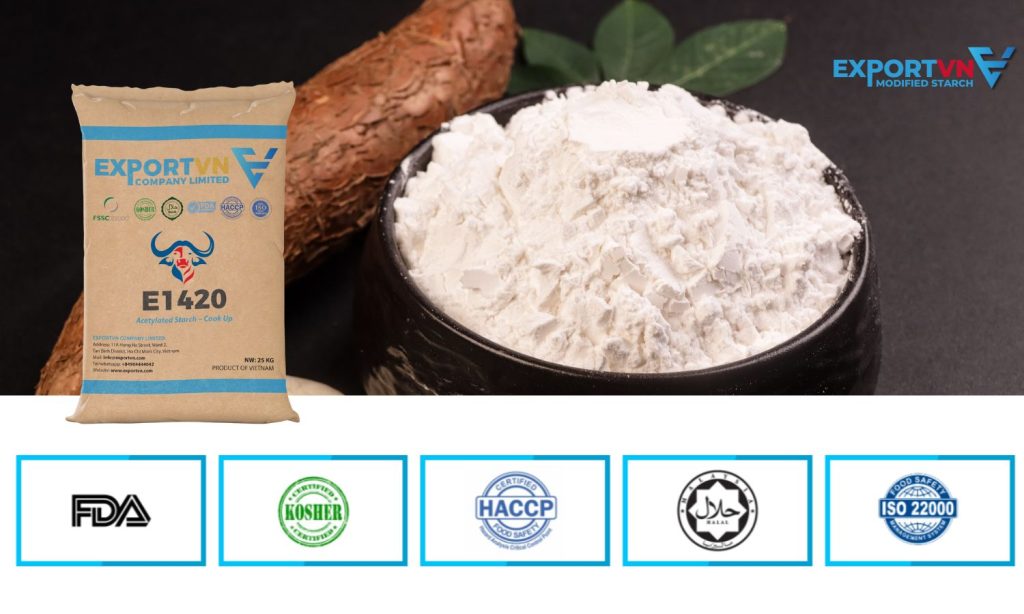
Why Source INS 1420 for noodles from Vietnam?
Vietnam is a leading supplier of tapioca starch with stable raw material supply.
Working with EXPORTVN CO., LTD offers:
- Reliable tapioca sourcing
- Competitive pricing
- Experience in noodle applications
- Technical support
- International certifications
Contact EXPORTVN for E1420 for noodles
- Email: sales1@exportvn.com
- WhatsApp: +84342121420
- Website: https://exportvn.com/us/
