


Market Update, Price
Latest Price for Tapioca Starch 2026
Mar
The latest price for tapioca starch 2026 has become a key concern for global food manufacturers, importers, and distributors. In early 2026, the tapioca starch market experienced noticeable price fluctuations due to raw material shortages, rising production costs, and increasing global demand.
Vietnam and Thailand remain the two largest exporters of tapioca starch in the world. However, the supply of cassava roots has tightened significantly in some regions, pushing prices higher compared with the same period in 2025.
For buyers in the food, paper, and industrial sectors, understanding the current market situation and future trends is essential for planning procurement strategies. This article provides a 2026 price update, supply analysis, and global market outlook for tapioca starch.
If you are new to tapioca starch sourcing, you may also explore the product specifications of tapioca starch from Vietnam, widely used in food processing, sauces, noodles, and snacks.
Current Tapioca Starch Price in 2026
Tapioca starch prices in 2026 have increased compared with the same period last year. The primary reason is the shortage of cassava roots available for processing in several producing regions.
Reference FOB Ho Chi Minh, Vietnam Price (2026)
| Month | Average FOB Price (USD/MT) | Notes |
|---|---|---|
| January 2026 | 505 – 520 | Supply tightening after harvest season |
| February 2026 | 535 – 550 | Increased demand from export markets |
| March 2026 | 580 – 600 | Raw material shortage continues |
Prices may vary depending on specification, packaging, and order volume.
Comparison with 2025 Prices
| Month | 2025 Price (USD/MT) | 2026 Price (USD/MT) |
|---|---|---|
| January | 470 – 484 | 505 – 520 |
| February | 476 – 490 | 535 – 550 |
| March | 457 – 471 | 580 – 600 |
Overall, the tapioca starch price in 2026 is approximately 8–26% higher than the same period in 2025.
For buyers using starch in food formulations, the price increase may impact applications such as:
- noodles and vermicelli production
- fried chicken and crispy coating
- seafood coating and batter systems
These applications rely heavily on the unique texture and binding properties of tapioca starch.
Key Factors Affecting Tapioca Starch Prices in 2026
Several major factors are influencing the global tapioca starch price this year.
Cassava Root Supply Situation
Cassava root is the primary raw material used to produce tapioca starch. In early 2026, many factories reported difficulties in securing sufficient cassava roots.
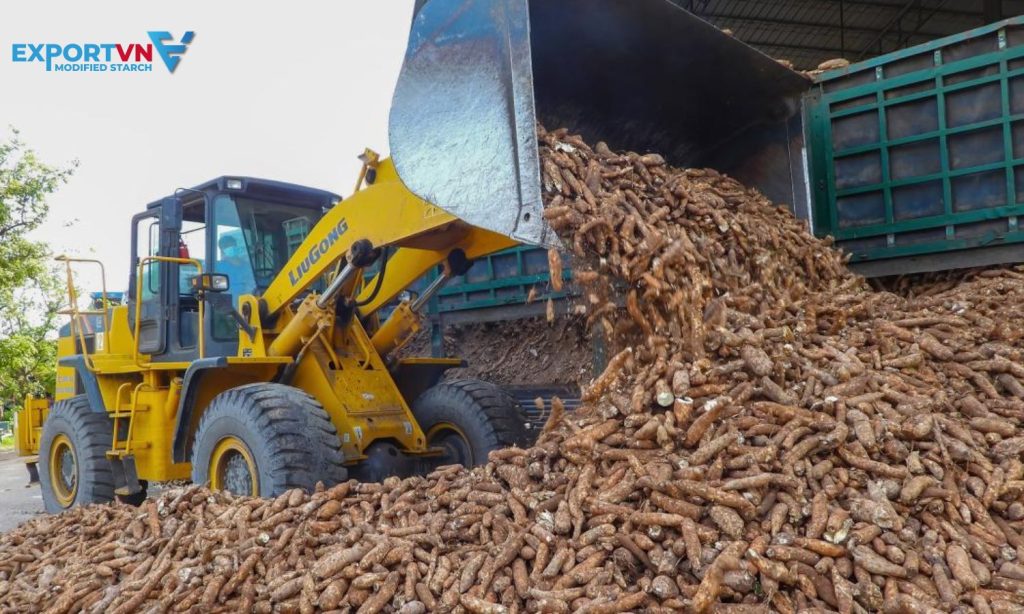
A major reason is that cassava roots are increasingly purchased by traders for cassava chip exports, especially to the Chinese market. As a result, fewer cassava roots are available for starch processing.
This supply imbalance is pushing starch prices upward.
Weather and Crop Yield
Weather conditions also play an important role in cassava production.
Factors affecting crop yield include:
- Unpredictable rainfall patterns
- Drought in certain growing regions
- Disease affecting cassava plants
Reduced crop productivity directly leads to lower starch output.
Export Demand from China
China remains the largest importer of cassava products in the world. Demand from Chinese industries such as:
- Bio-ethanol
- Food processing
- Animal feed
- Industrial starch applications
has remained strong in 2026.
Many cassava roots are therefore processed into cassava chips rather than starch, tightening supply for starch manufacturers.
Production Costs and Energy Prices
In addition to raw materials, several cost factors have increased:
- Energy costs
- Labor costs
- Transportation and logistics
- Packaging materials
These cost pressures inevitably contribute to the rising export price of tapioca starch.
Global Tapioca Starch Market Outlook
Despite price fluctuations, the global demand for tapioca starch continues to grow steadily.
Demand from the Food Industry
The food sector remains the largest consumer of tapioca starch due to its functional advantages:
- Neutral flavor
- Excellent thickening ability
- High transparency in sauces
- Gluten-free properties
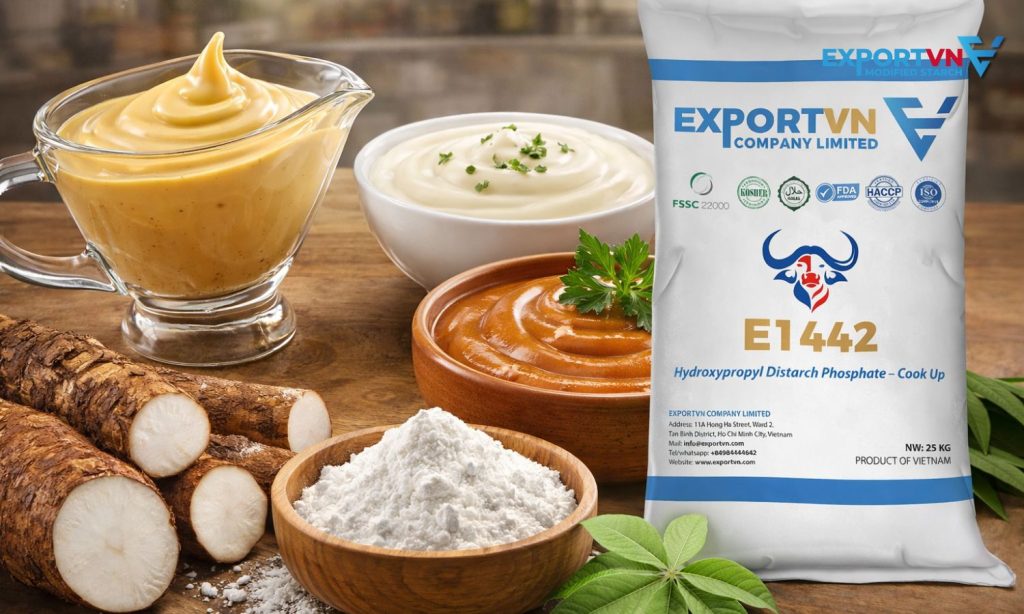
Many food processors also use modified tapioca starch to improve product stability. For example, Acetylated Distarch Adipate E1422 is widely used in sauces, frozen foods, and processed meat products because of its resistance to heat, acid, and freezing conditions.
Similarly, Hydroxypropyl Distarch Phosphate E1442 is commonly used in:
- Sauces
- Snstant noodles
- Canned foods
- Dairy applications
These modified starches are becoming increasingly important as the global food industry grows.
Demand from Paper, Textile, and Bioplastics
Beyond food applications, tapioca starch is widely used in industrial sectors such as:
- paper manufacturing
- textile sizing
- adhesives
- biodegradable plastics
As sustainability becomes a global priority, bio-based materials like cassava starch are gaining popularity.
Expected Price Trend for the Rest of 2026
Market analysts expect the following trends:
- Prices may remain relatively high during the first half of 2026 due to limited raw material supply.
- If the next cassava harvest improves, prices could stabilize toward the end of the year.
- Global demand is expected to continue increasing, especially in Asia and Europe.
For importers, it is advisable to secure supply contracts early to avoid potential price spikes.
Where to Buy Tapioca Starch
Choosing a reliable supplier is essential for maintaining consistent product quality and supply stability.
One of the trusted exporters in Vietnam is EXPORTVN CO., LTD, specializing in tapioca starch and modified starch for global markets.
Why Choose EXPORTVN
EXPORTVN provides a wide range of starch solutions for food and industrial applications, including:
- Native tapioca starch
- Modified tapioca starch
- Granulated Tapioca Starch
The company serves customers across Asia, Europe, the Middle East, and Africa.
Key advantages include:
- Stable supply chain in Vietnam
- Competitive export pricing
- Technical support for food applications
- Flexible packaging options
Quality Certifications
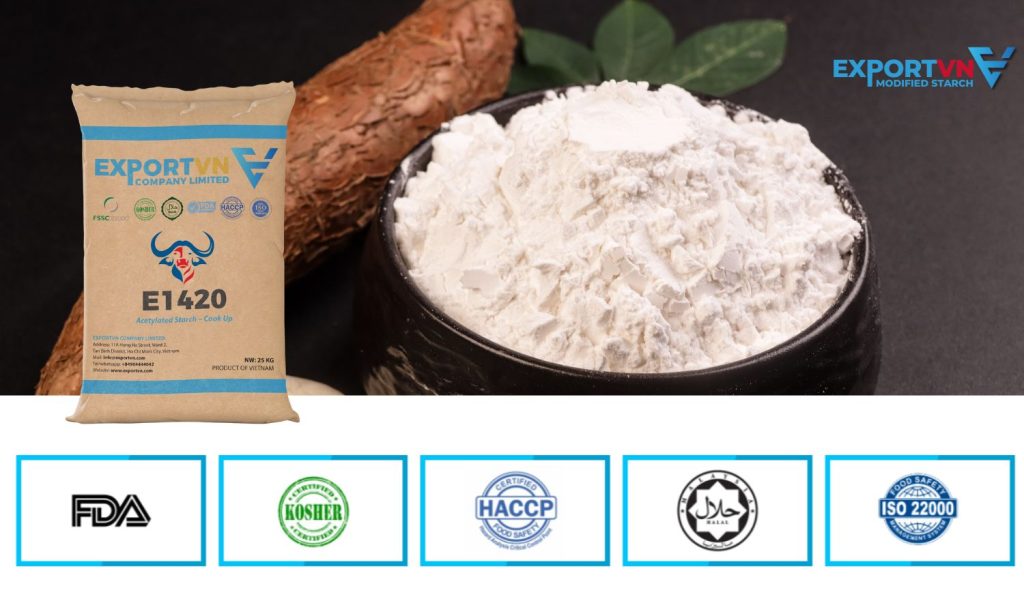
International buyers often require strict quality and safety standards. EXPORTVN products are manufactured under internationally recognized certifications such as:
- ISO 22000
- HACCP
- Halal
- Kosher
These certifications ensure that tapioca starch products meet global food safety and export requirements.
Buyers interested in technical details can also explore the technical data sheet resources available for various starch products.
Tapioca Starch Price Trend in 2026
The latest price for tapioca starch in 2026 reflects the current challenges in cassava supply and growing global demand.
Key takeaways:
- Cassava root shortages have pushed prices higher compared with 2025.
- Strong demand from China and industrial sectors continues to influence the market.
- Prices may remain firm in the short term before stabilizing later in the year.
For international buyers, the best strategy is to:
- monitor monthly price updates
- secure reliable suppliers early
- diversify sourcing when possible
Working with experienced exporters like EXPORTVN helps ensure consistent supply and product quality in a dynamic global starch market.
If you would like to receive the latest tapioca starch price updates or product specifications, feel free to contact EXPORTVN here for further assistance.
Email: sales1@exportvn.com
WhatsApp: +84342121420
Website: https://exportvn.com/us/
