


Properties of starch
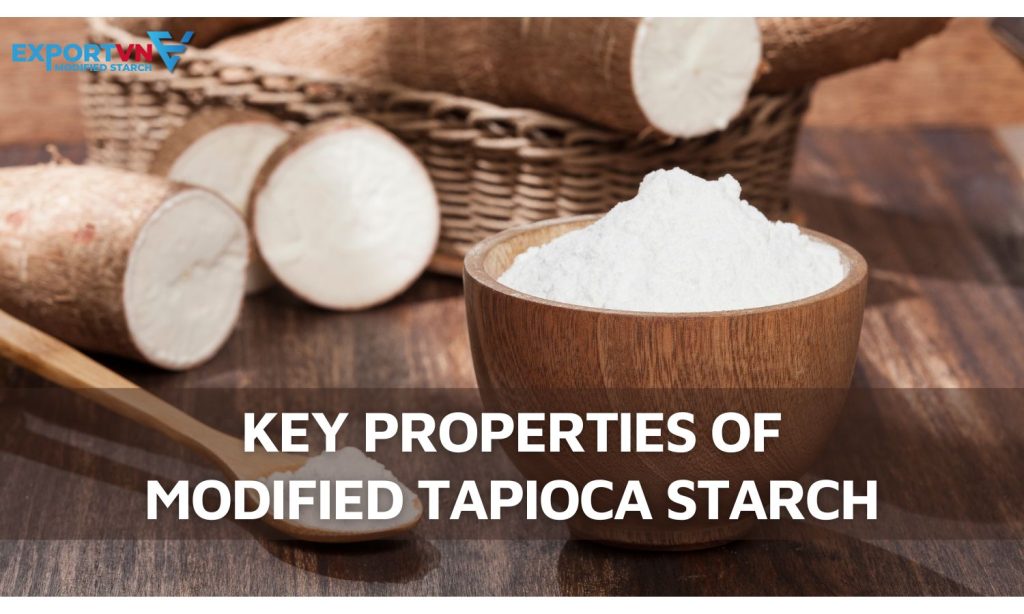
Key Properties of Modified Tapioca Starch
Mar
The key properties of modified tapioca starch make it one of the most important functional ingredients in modern food manufacturing. Compared with native starch, modified starch offers improved stability, better texture control, and stronger resistance to heat, acid, and mechanical processing.
Food manufacturers today require ingredients that can withstand industrial production conditions such as high temperature, mixing, pumping, freezing, and long storage periods. Modified tapioca starch helps maintain consistent quality in these environments while improving the final product’s texture and appearance.
As a global supplier of starch ingredients, EXPORTVN CO., LTD provides a wide range of cassava-based starch solutions designed for international food manufacturers. Understanding how modified starch works allows product developers to choose the right ingredient for sauces, frozen foods, noodles, bakery fillings, and processed meat products.
What Is Modified Tapioca Starch?
Modified tapioca starch is cassava starch that has been altered to improve its functional performance in food systems. Through specific processing methods, the starch structure is modified to enhance stability, viscosity control, and processing tolerance.
To better understand the science behind this ingredient, readers can explore more information about modified starch technology.
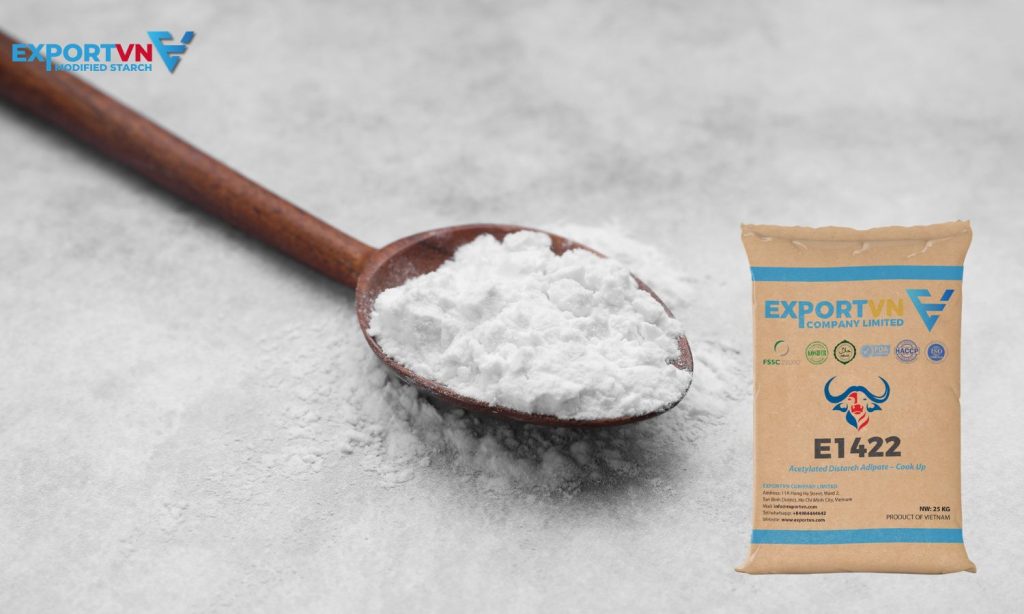
Definition of Modified Tapioca Starch
Modified tapioca starch refers to starch derived from cassava that has been physically, enzymatically, or chemically treated to improve its functionality in food processing.
Unlike native starch, modified starch can maintain stable viscosity under challenging conditions such as heating, freezing, or acidic environments.
How It Differs from Native Tapioca Starch – Key properties of Modified Tapioca Starch
Native starch works well for simple cooking, but it may break down during industrial processing. Modified starch improves stability and performance.
| Property | Native Tapioca Starch | Modified Tapioca Starch |
|---|---|---|
| Heat stability | Moderate | High |
| Acid stability | Limited | Improved |
| Freeze–thaw stability | Poor | Excellent |
| Processing tolerance | Basic | Enhanced |
Common Types Used in Food Industry
Several modified tapioca starch types are widely used in the food industry, including:
- Acetylated Distarch Adipate (E1422)
- Hydroxypropyl Distarch Phosphate (E1442)
- Acetylated Distarch Phosphate (E1414)
- Distarch Phosphate (E1412)
Each type provides different functionality depending on the food application.
Why Modify Tapioca Starch?
Modern food processing requires ingredients that can maintain performance during production and storage. Native starch alone cannot always meet these requirements.
Modified tapioca starch is developed to solve several common formulation challenges.
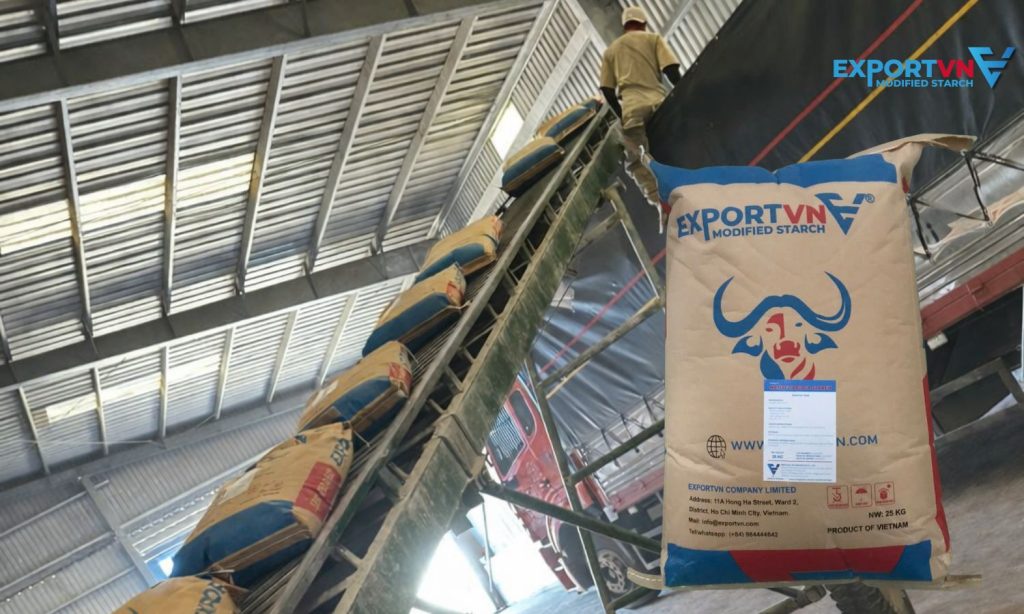
Manufacturers use modified starch to:
- Improve processing stability
- Enhance texture and mouthfeel
- Maintain viscosity during heating
- Increase shelf life
- Improve freeze–thaw stability
- Control moisture retention
These improvements allow manufacturers to produce consistent products even under complex industrial processing conditions.
Key Properties of Modified Tapioca Starch
The functional properties of modified starch determine how it performs in different food systems.
Thickening Ability
Modified tapioca starch is widely used as a thickening agent. It provides viscosity and body in liquid-based foods such as sauces, soups, and fillings.
For example, products like ketchup, chili sauce, and gravies often rely on modified starch to achieve a smooth and stable texture.
Heat Stability
During industrial processing, many foods are exposed to high temperatures during cooking or sterilization.
Modified starch maintains viscosity under these conditions, ensuring that sauces and ready meals retain their desired consistency even after heating.
Acid Stability
Acidic foods can break down native starch and cause a loss of viscosity. Modified tapioca starch offers improved resistance to acid environments.
This property makes it suitable for fruit fillings, tomato sauces, and acidic dressings.
Freeze–Thaw Stability
Frozen foods require ingredients that can withstand freezing and thawing cycles without losing texture.
Modified tapioca starch prevents water separation (syneresis) and helps maintain product quality in frozen foods such as dumplings and shrimp dumplings.
Shear Resistance
Food processing equipment such as mixers, pumps, and homogenizers create strong mechanical forces.
Modified starch resists these forces and maintains stable viscosity throughout the production process.
Water Binding Capacity
Modified starch can bind water effectively, helping foods retain moisture and maintain structure.
This property improves yield and texture in many processed foods.
Texture Improvement
Texture is one of the most important attributes influencing consumer acceptance.
Modified tapioca starch helps create smooth, creamy textures and stable gels in many food products.
Advantages of Tapioca-Based Modified Starch
Among starch sources such as corn, wheat, and potato, tapioca starch offers several unique advantages.
Neutral Taste
Tapioca starch has a clean and neutral flavor that does not interfere with the taste of the final product.
Clear and Glossy Appearance
When cooked, tapioca starch often produces a bright and transparent paste, making it ideal for sauces and fillings.
Gluten-Free Ingredient
Because cassava is naturally gluten-free, tapioca starch is widely used in gluten-free food formulations.
You can explore cassava-derived ingredients on the tapioca starch product page.
Allergen-Friendly
Tapioca starch is generally considered allergen-friendly compared with certain cereal-based ingredients.
Good Digestibility
Cassava starch is easily digestible and suitable for many food applications worldwide.
Food Applications of Modified Tapioca Starch
Modified tapioca starch is used across a wide range of food categories.
Sauces and Dressings
Modified starch helps create stable viscosity and smooth texture in sauces and dressings.
Examples include products such as mayonnaise and black bean sauce.
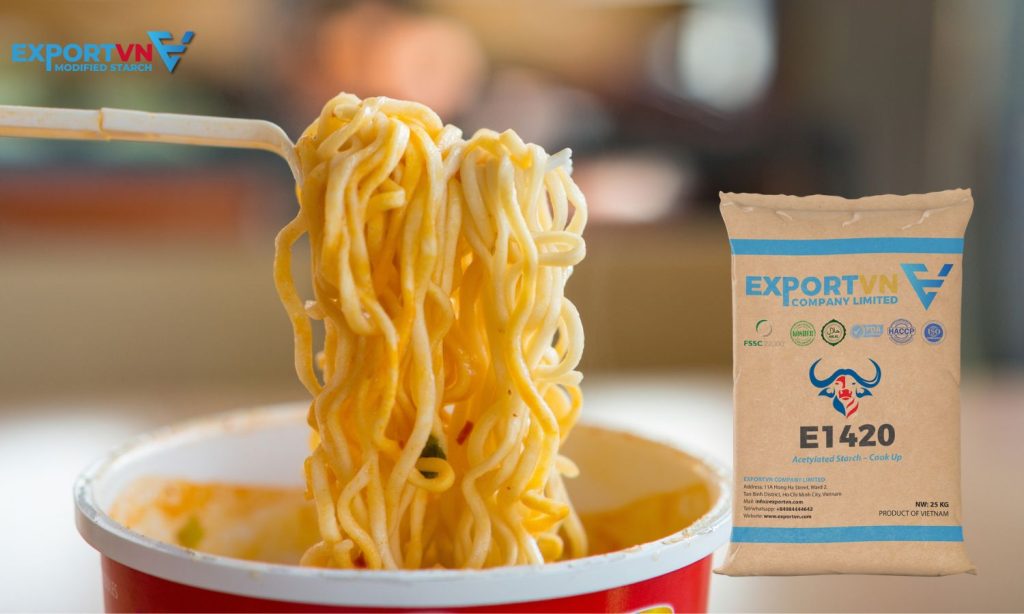
Instant Foods
In instant foods, starch helps control hydration and maintain consistent texture.
Frozen Foods
Frozen foods require ingredients with strong freeze–thaw stability to prevent water separation.
Bakery Products
Modified starch helps retain moisture and stabilize fillings in bakery products such as cake filling, fruit filling, and jam.
Noodles and Vermicelli
Modified tapioca starch improves elasticity and cooking stability in products such as noodles and glass noodles.
Meat Processing
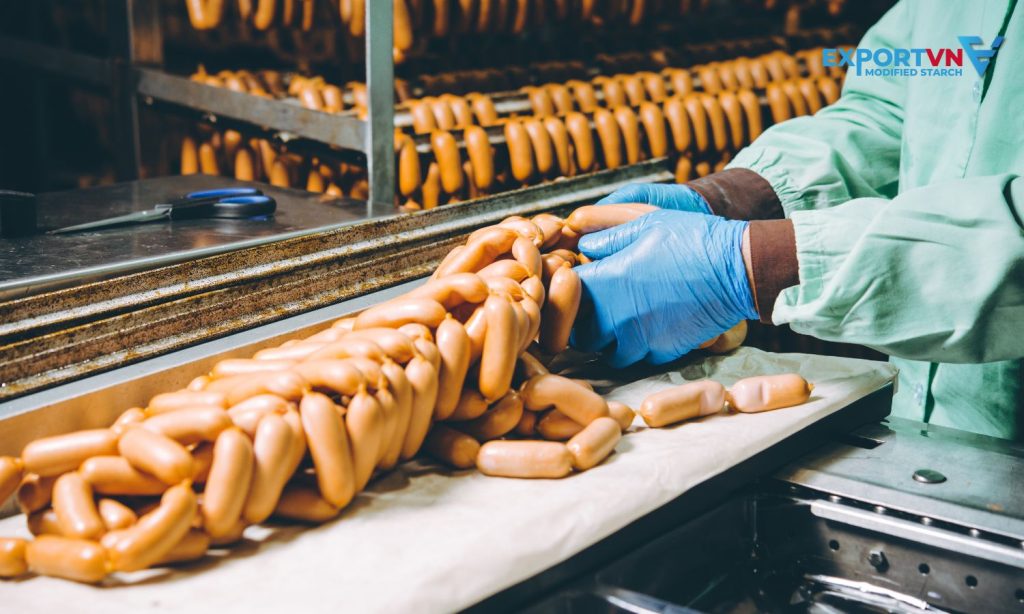
Modified starch improves water retention and texture in processed meat products including sausages, meatballs, and surimi.
Common Types of Modified Tapioca Starch Used in Food Industry
Different applications require different starch types.
Acetylated Distarch Adipate (E1422)
Often used in sauces and frozen foods due to excellent heat and freeze–thaw stability. Learn more about Acetylated Distarch Adipate (E1422).
Hydroxypropyl Distarch Phosphate (E1442)
Provides excellent resistance to heat and mechanical processing.
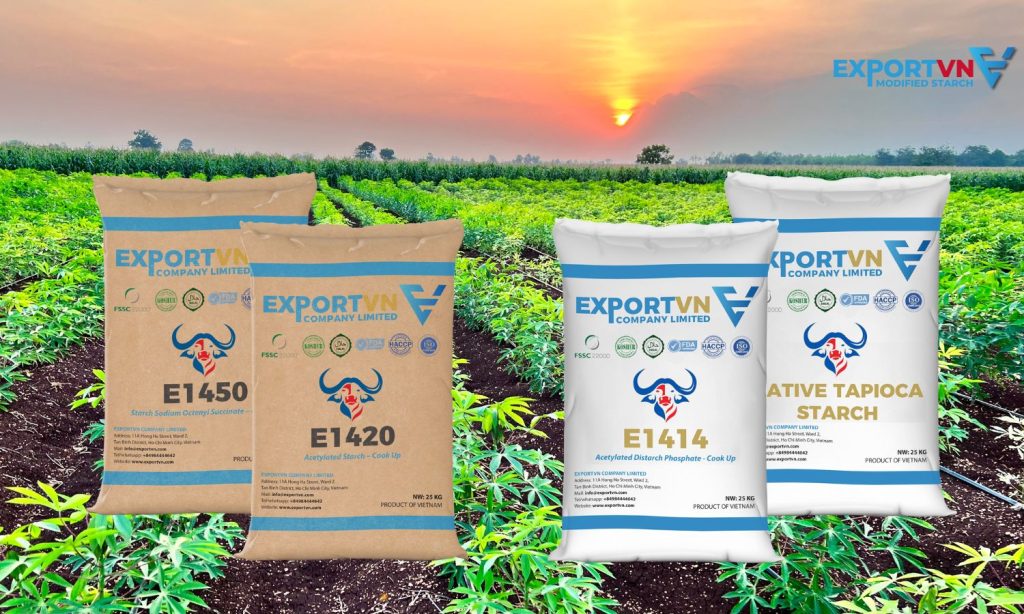
Acetylated Starch (E1420)
Used to improve texture and stability in certain food formulations.
Distarch Phosphate (E1412)
Provides good resistance to heat and shear during industrial processing.
Acetylated distarch phosphate (E1414)
Commonly used in frozen and processed food systems.
Hydroxypropyl Starch (E1440)
Improves viscosity and texture stability in various applications.
Starch Sodium Octenyl Succinate – OSA (E1450)
Often used in emulsification systems and flavor encapsulation.
Conclusion
The key properties of modified tapioca starch — including thickening ability, heat stability, acid resistance, freeze–thaw stability, and texture improvement — make it an essential ingredient in modern food production.
With its neutral flavor, gluten-free nature, and excellent functional performance, modified tapioca starch is widely used in sauces, frozen foods, noodles, bakery fillings, and processed meat products.
Manufacturers looking for reliable starch solutions can explore the product range offered by EXPORTVN CO., LTD, a trusted supplier serving food companies worldwide.
For technical consultation or product inquiries:
Email: sales1@exportvn.com
WhatsApp: +84342121420
Website: https://exportvn.com/us/
