


Properties of starch
Tapioca Starch and Tapioca Flour: Differences and Applications
Mar
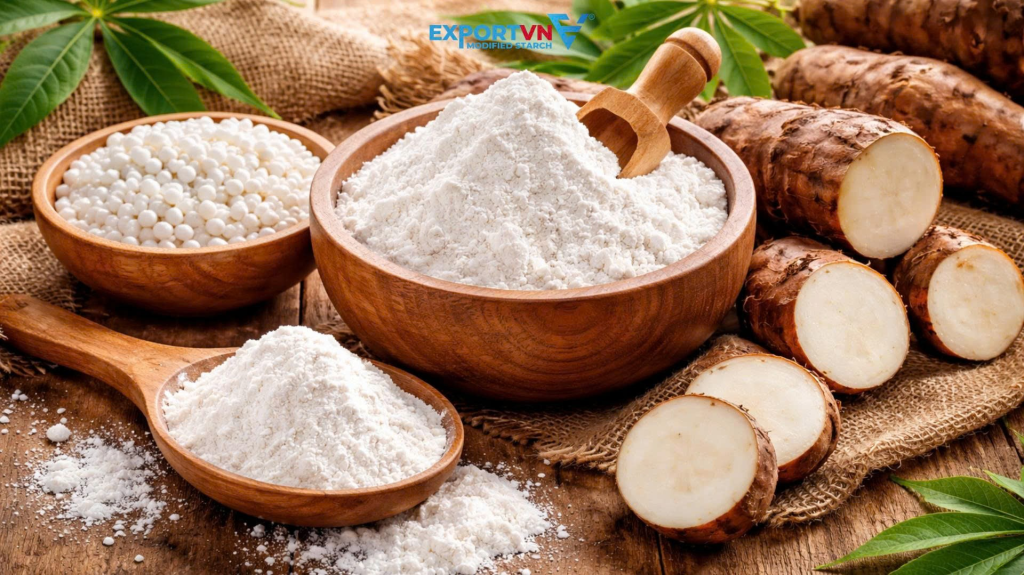
Food technologists often confuse Tapioca Starch and Tapioca Flour during the formulation process. In fact, you might see these terms used interchangeably on culinary blogs. Additionally, you might read them in casual regional recipes. However, they are completely different ingredients. Specifically, manufacturers use entirely different processes to make them. Furthermore, they possess unique nutritional profiles. Consequently, they also behave differently when you heat or hydrate them.
Therefore, you must understand the fundamental distinctions between Tapioca Starch and Tapioca Flour. Ultimately, this knowledge helps commercial bakers succeed in making flawless bakery products. For instance, choosing the wrong ingredient ruins your recipe completely. As a result, it creates rubbery dough or cloudy sauces. Moreover, it causes costly batch rejections on the production line. In this comprehensive guide, we explain everything you need to know. First, we will explore their origins, processing methods, and industrial applications. Consequently, this helps you make smart formulation choices for your business.
The Shared Origin: Cassava Root Derivatives
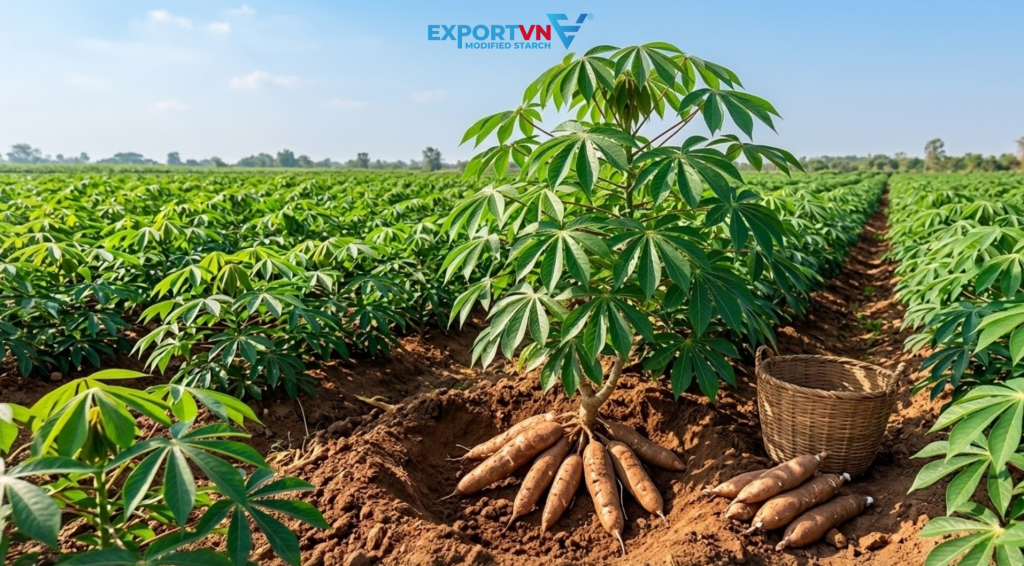
To begin with, we must look at the shared botanical origin of these ingredients. Interestingly, farmers harvest both derivatives from the exact same plant. Specifically, they come from the root of the cassava plant. Naturally, this hardy, woody shrub grows exceptionally well in tropical regions. Historically, South America serves as its native home. Today, however, farmers cultivate cassava extensively across the globe. For example, Southeast Asia and Africa produce massive quantities every year.
Undoubtedly, the fresh cassava root contains abundant complex carbohydrates. Because of this, it provides essential food security for millions. Furthermore, it supplies the massive global texturizer market. Nevertheless, the production paths diverge completely at the factory. Essentially, the processing method dictates the final product. On one hand, a factory can create a highly refined, pure native starch isolate. On the other hand, it can produce a fiber-rich, whole-root powder. Therefore, food scientists must understand this raw agricultural material. Ultimately, this knowledge helps them leverage the advantages effectively.
Manufacturing Differences: Tapioca Starch and Tapioca Flour
Without a doubt, the factory extraction method defines the final product perfectly. As a result, processing creates a huge functional gap between Tapioca Starch and Tapioca Flour. Therefore, we must look closely at the factory floor to understand this difference. Indeed, specialized engineering transforms the raw root completely.
Extracting Pure Cassava Starch
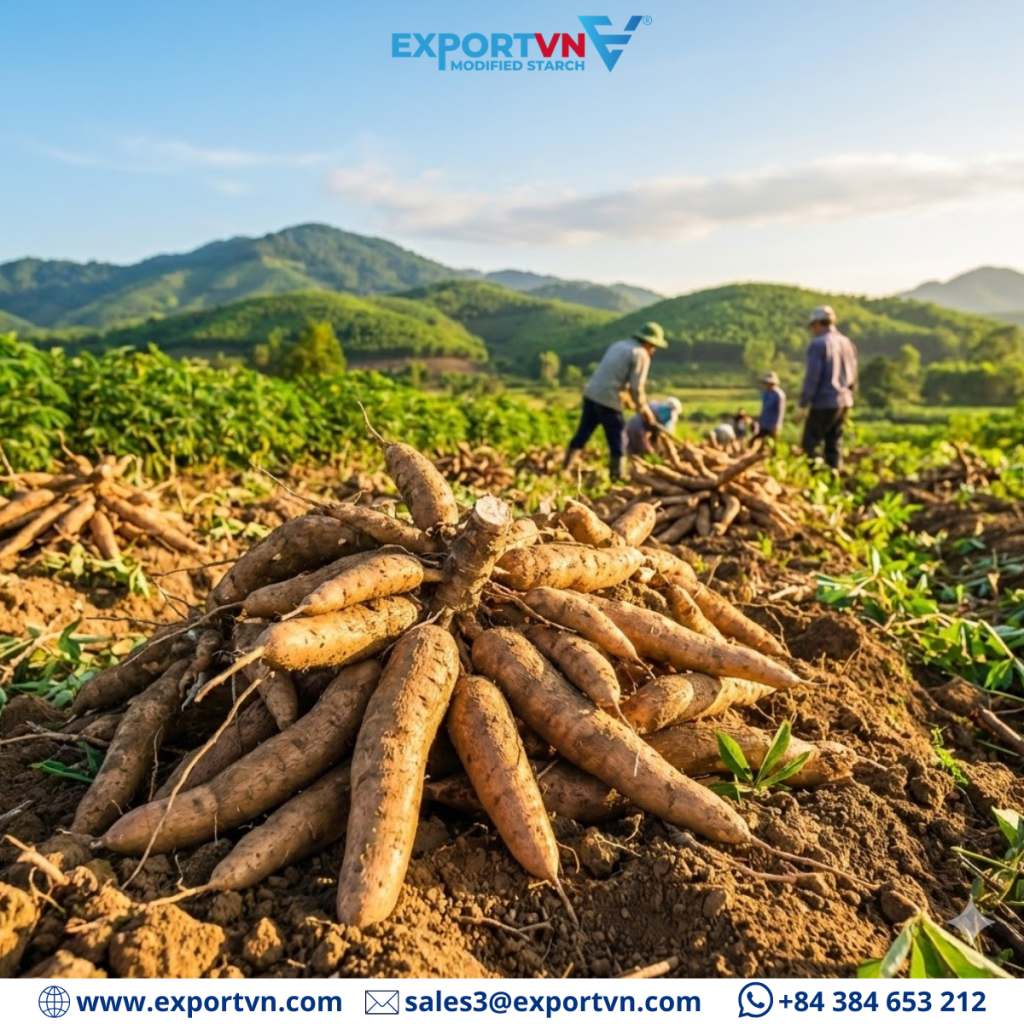
First and foremost, factories use an intensive process to make the pure isolate. Specifically, they aim to remove everything from the plant except the carbohydrates. Initially, workers wash the raw, freshly harvested roots thoroughly. Subsequently, they peel off the outer cyanogenic layer carefully. Next, mechanical blades rasp the roots into a wet, fine pulp. Following that, high-pressure water flushes this pulpy mash continuously.
Consequently, this rigorous washing separates the microscopic carbohydrate granules physically. Moreover, it removes fibrous cellular walls and natural plant proteins. Simultaneously, the water carries away all remaining organic impurities. As a result, a milky, dense liquid remains behind. Essentially, this liquid contains only pure carbohydrates. Afterward, factories pass it through a series of ultra-fine sieves. Then, heavy-duty industrial centrifuges spin the liquid rapidly. Thus, the water separates from the heavy extract completely. Finally, flash dryers remove the remaining moisture at extremely high temperatures.
Ultimately, the final product is a brilliantly white powder. In addition, it feels squeaky clean between your fingers. Furthermore, it possesses a completely neutral taste. Naturally, global food conglomerates love this unblemished visual profile. For this reason, they source these premium native root extracts from top-tier Southeast Asian facilities. Consequently, these extracts act as invisible, highly effective texturizers in premium products.
Milling Cassava Flour from the Whole Root
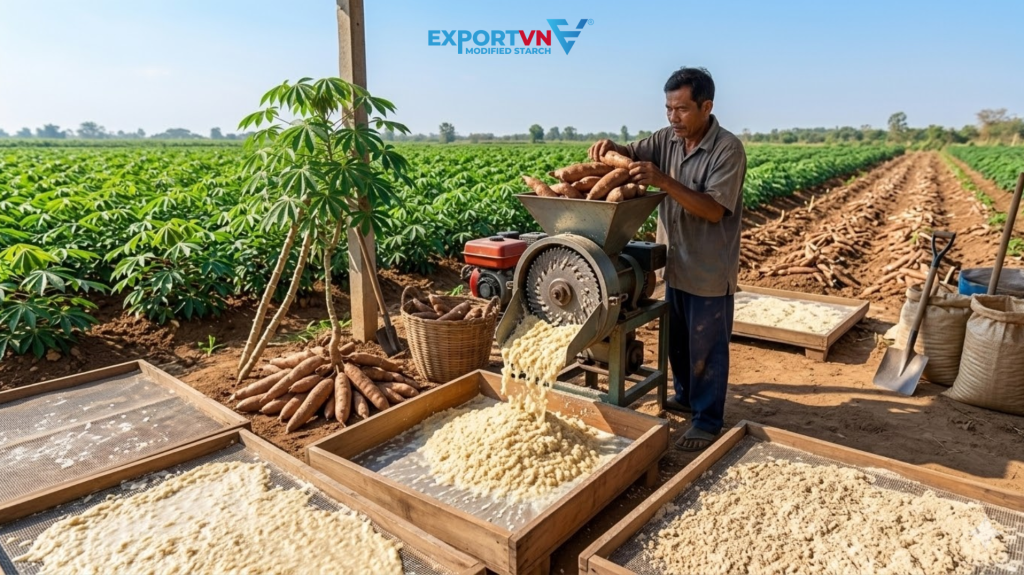
By contrast, the milling process takes a holistic, whole-food approach. Here, factories focus strictly on preservation. In other words, they do not isolate the carbohydrates. Initially, workers peel and wash the harvested roots thoroughly. However, they do not rasp them into a pulp. Similarly, they do not flush them with continuous water. Instead, they utilize the entire solid root for the final product.
Specifically, workers slice the cleaned roots into small chips. Afterward, they dehydrate these chunks completely. For instance, some facilities use traditional sun-drying methods on massive concrete patios. Meanwhile, others utilize massive, temperature-controlled industrial drying ovens. Eventually, the internal moisture content drops to a specific regulatory level. Then, industrial mills grind the dried chips into a fine powder. Consequently, this process leaves the natural plant fibers perfectly intact. Moreover, it preserves the trace minerals and intrinsic cellular structures. Therefore, this milled product functions differently from the pure carbohydrate counterpart.
Nutritional Comparison of Tapioca Extract and Milled Tapioca
Next, we must evaluate Tapioca Starch and Tapioca Flour nutritionally. Indeed, the dietary labels show significant differences for food scientists. Because of the rigorous liquid extraction process, essential nutrients are stripped away. Specifically, the pure isolate contains only starch polymers like amylose and amylopectin. Furthermore, it lacks dietary fiber entirely. In addition, it offers absolutely no protein. Similarly, it contains no trace minerals.
Therefore, it acts solely as a source of highly concentrated, functional energy. Consequently, commercial food manufacturers use it primarily as a reliable thickener. Specifically, they value its exceptional moisture-binding properties. Of course, they do not use it to add nutritional value to a consumer label.
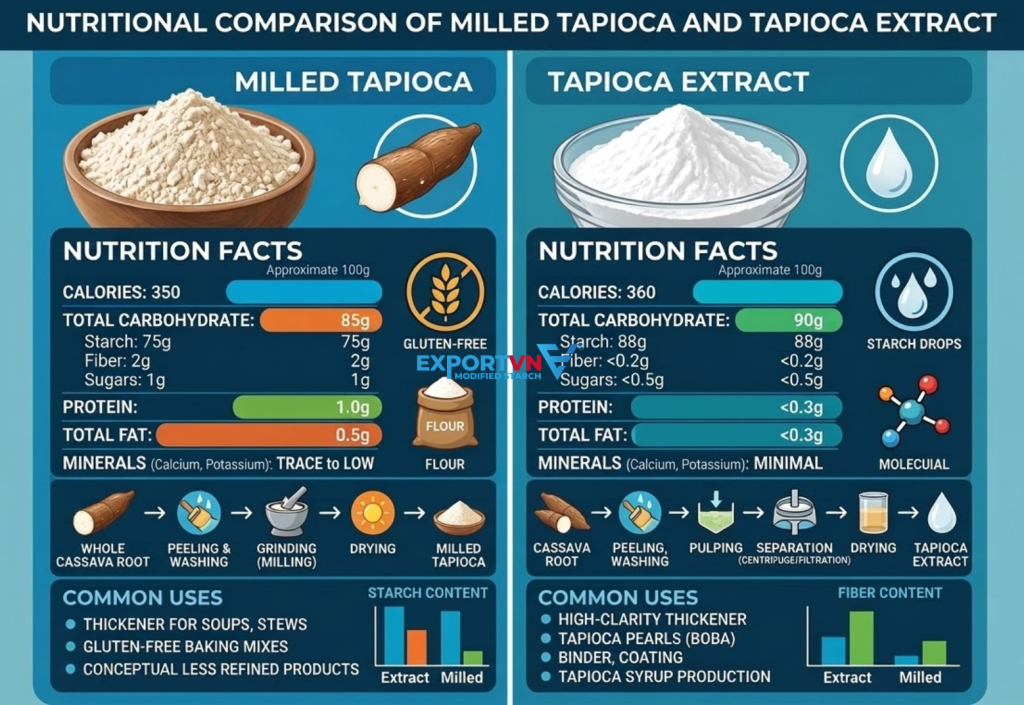
Conversely, the whole-root powder retains the original plant nutrients. First, it contains a measurable amount of dietary fiber. Second, it holds small fractions of naturally occurring plant proteins. Additionally, you will find trace minerals like potassium and calcium inside. Furthermore, it even provides small amounts of vitamin C. Presently, forward-thinking manufacturers actively develop clean-label snacks like crunchy potato chips. For example, they formulate products incorporating resistant starch via raw cassava. Ultimately, understanding this profound nutritional divergence ensures accurate product formulation. Moreover, it guarantees regulatory marketing compliance for your brand.
Physical Traits: Tapioca Starch and Tapioca Flour
Furthermore, you must understand how these ingredients interact with human senses. Undeniably, sight, touch, and taste play crucial roles in culinary science. Initially, the pure isolate looks strikingly bright. Specifically, it is an extremely fine, pure white powder. Additionally, it creates a distinct friction between your fingers. In fact, it literally feels squeaky to the touch.
Most importantly, it lacks any noticeable odor or flavor. As a result, culinary scientists prize this absolute sensory neutrality highly. Indeed, flavor specialists rely on it constantly. For instance, chefs add it to delicate fruit glazes or hot dumplings confidently. Moreover, they use it in premium dairy desserts frequently. Additionally, it forms perfect textures for fruit jelly. Ultimately, it never masks or alters the primary flavors intended by the chef.
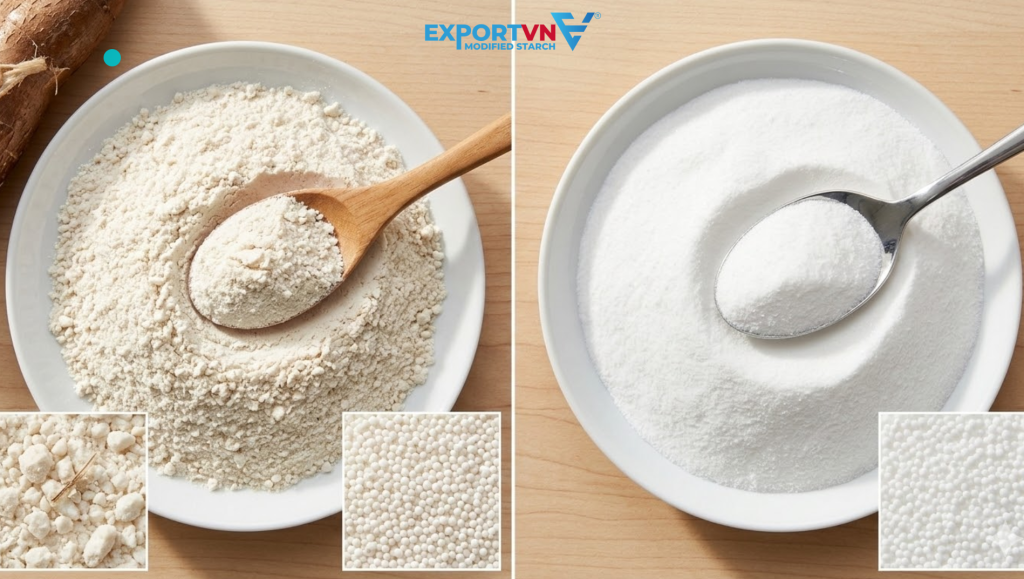
On the other hand, the milled whole root presents a completely different kitchen experience. Generally, it exhibits an off-white or pale ivory hue. Naturally, the exact color depends on the specific cassava variety harvested. Furthermore, the dehydration method also affects the final shade. In terms of taste, it carries a mild, slightly sweet flavor. Additionally, it has a distinctly earthy or nutty profile. Consequently, this taste characterizes the raw plant accurately. Sometimes, recipes require a completely neutral base. In these specific cases, the earthy undertones can clash with delicate flavorings.
Industrial Applications: How Cassava Starch and Cassava Flour Work
Now, we must observe how factories utilize these ingredients practically. Undoubtedly, the pure extract dominates large-scale food manufacturing completely. Meanwhile, commercial bakeries rely heavily on the milled root. Essentially, the gelatinization process dictates their specific end uses. Therefore, Tapioca Starch and Tapioca Flour behave uniquely under heat and mechanical shear.
The Role of the Pure Tapioca Extract
Globally, food scientists celebrate the pure carbohydrate extract. First, it boasts a remarkably low gelatinization temperature. Second, it offers an exceptionally high peak viscosity. Consequently, it creates a perfectly clear, glossy gel in hot water. By comparison, corn-based thickeners often leave a cloudy, opaque appearance. Furthermore, they leave a chalky, starchy aftertaste on the palate. Conversely, cassava extracts provide a clean, brilliant sheen instead.
Therefore, this makes it the undisputed ingredient for premium fillings. Specifically, it thickens transparent Asian-style stir-fry sauces beautifully. Moreover, it creates high-end clear gravies flawlessly. Additionally, factories use it to stabilize ketchup or creamy mayonnaise. Furthermore, it acts as an excellent binder for meat products like sausages. Consequently, the food industry values this stability highly.
Furthermore, the massive global noodle industry also demands this pure extract. Indeed, achieving the perfect tensile strength and chewiness is absolutely non-negotiable. Therefore, manufacturers rely heavily on these extracts for noodles. For example, they use it in instant ramen blocks. Additionally, they use it to create chewy tapioca pearls.
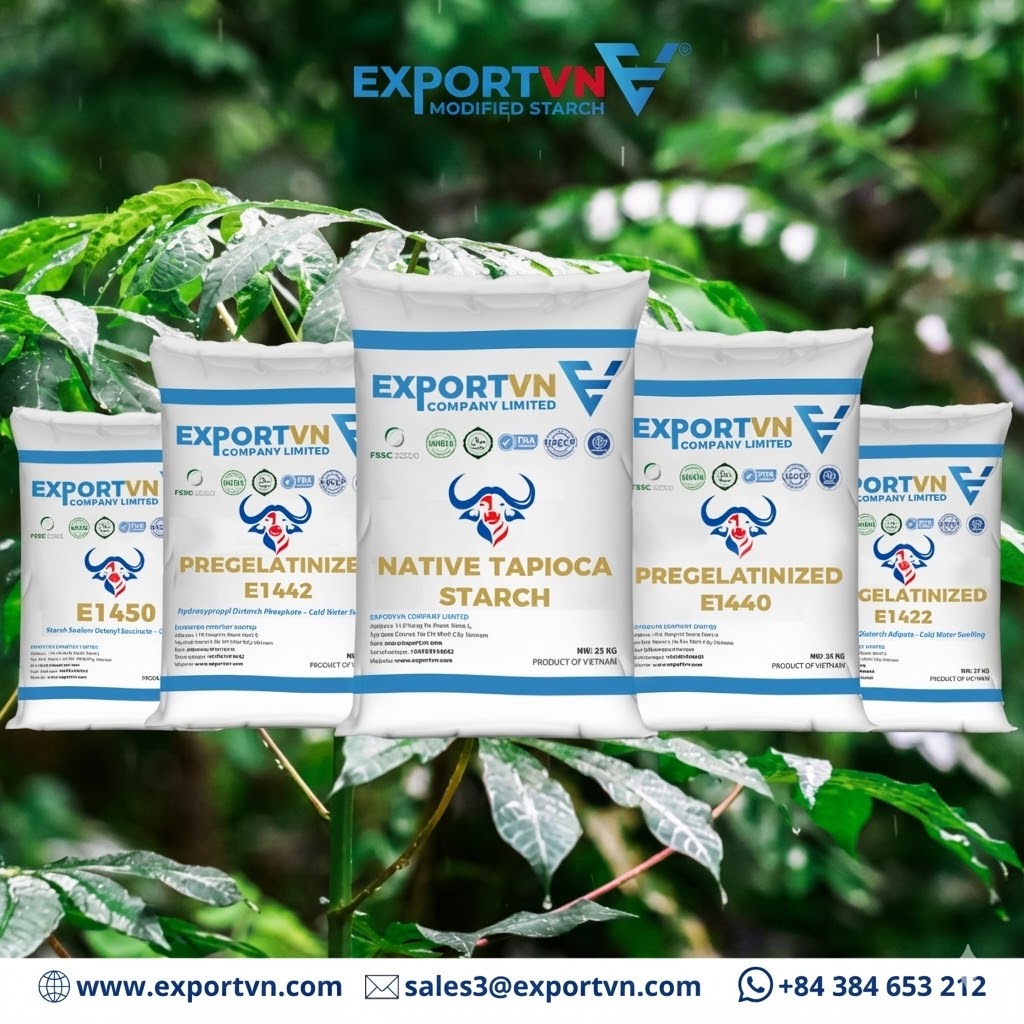
Moreover, modern processing environments often require extremely robust solutions. Typically, factories use high mechanical shear and high acidity. In response, manufacturers upgrade to specialized modified starch variants here. Some formulations might even require acetylated starch to withstand heat. Specifically, they use cheeflo 23 to achieve unparalleled freeze-thaw stability. Alternatively, they might use E1422 for highly acidic environments. Other applications use starch sodium octenyl succinate for emulsification. Furthermore, they help significantly when developing gluten-free solutions. Ultimately, they extend the shelf life of frozen, ready-to-eat supermarket meals.
Using Milled Tapioca Root in Commercial Baking
Next, let us examine where the milled whole root truly excels. Since it contains high dietary fiber, it maintains structural integrity. Consequently, it acts as a superstar in the commercial baking industry. However, it does not perform well in clear soups or beverages.
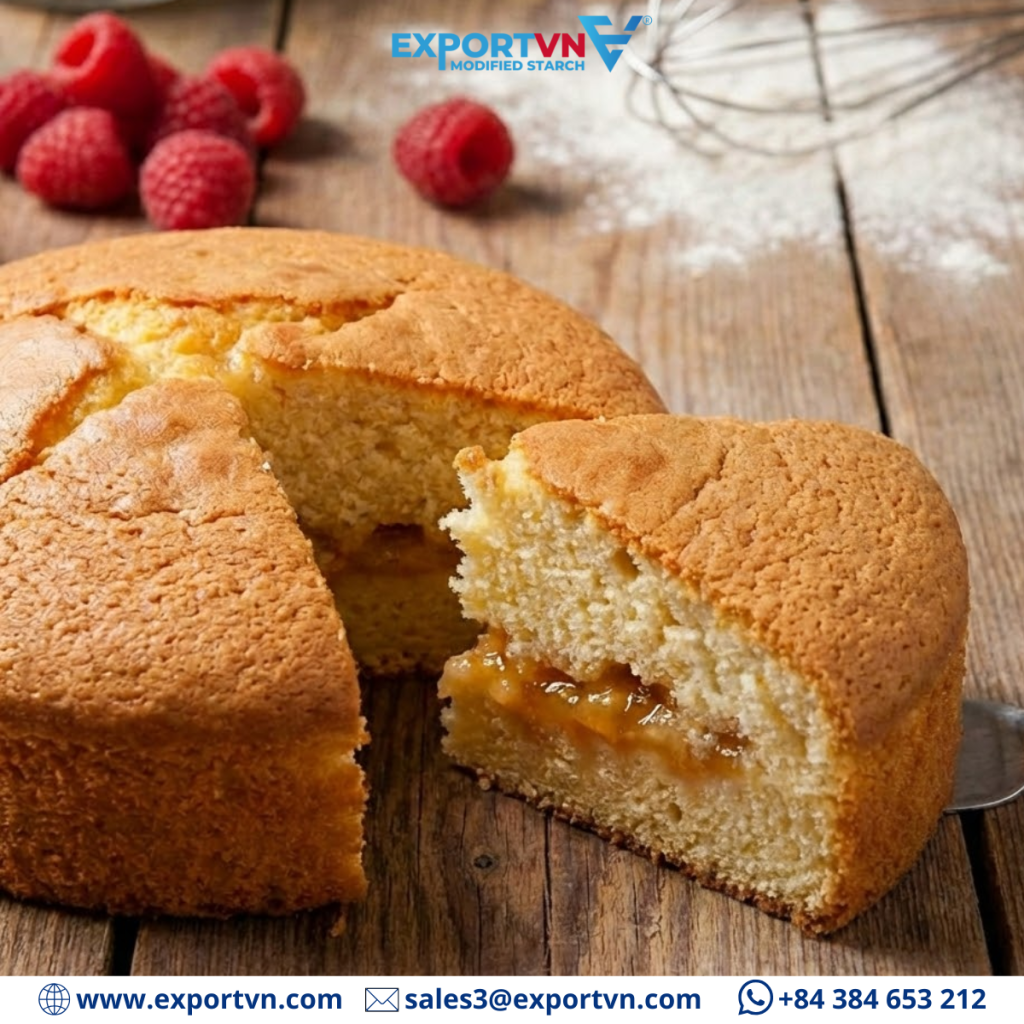
Undeniably, food scientists love this fibrous ingredient. In fact, they spend countless hours formulating bakery products. Because the retained plant fibers absorb moisture steadily, they provide physical bulk just like traditional wheat flour. As a result, this helps create the necessary crumb structure perfectly. Furthermore, it prevents gluten-free bread loaves from drying out. Similarly, it stops muffins and cakes from crumbling into pieces upon slicing.
Historically, many culinary traditions consider this ingredient entirely foundational. For instance, South American, African, and Caribbean chefs use it daily. Specifically, it forms the primary base for traditional cassava flatbreads. Moreover, it creates the iconic, naturally gluten-free Brazilian cheese bread. Ultimately, the fibrous structure allows commercial bakers to form workable dough. By contrast, a pure carbohydrate isolate cannot achieve this sturdy texture. Instead, it simply turns into a sticky, gelatinous paste.
The Substitution Rule for Tapioca Starch and Tapioca Flour
Frequently, people ask if you can substitute one for the other in a pinch. Definitively, the answer is almost always no. Specifically, you cannot swap them directly in a commercial production setting. Therefore, Tapioca Starch and Tapioca Flour are not interchangeable 1:1 replacements.
For example, imagine a formulation requires a thickening agent. Suppose you want a pristine, transparent glaze for a fruit tart. Unfortunately, if you try using the whole-root powder instead, this action creates a disastrously cloudy and gummy product. Furthermore, it tastes overly earthy. Essentially, the natural plant fibers will never dissolve completely. Consequently, quality control teams often troubleshoot recipe failures on the factory floor. Typically, they check the ratio of Tapioca Starch and Tapioca Flour first.
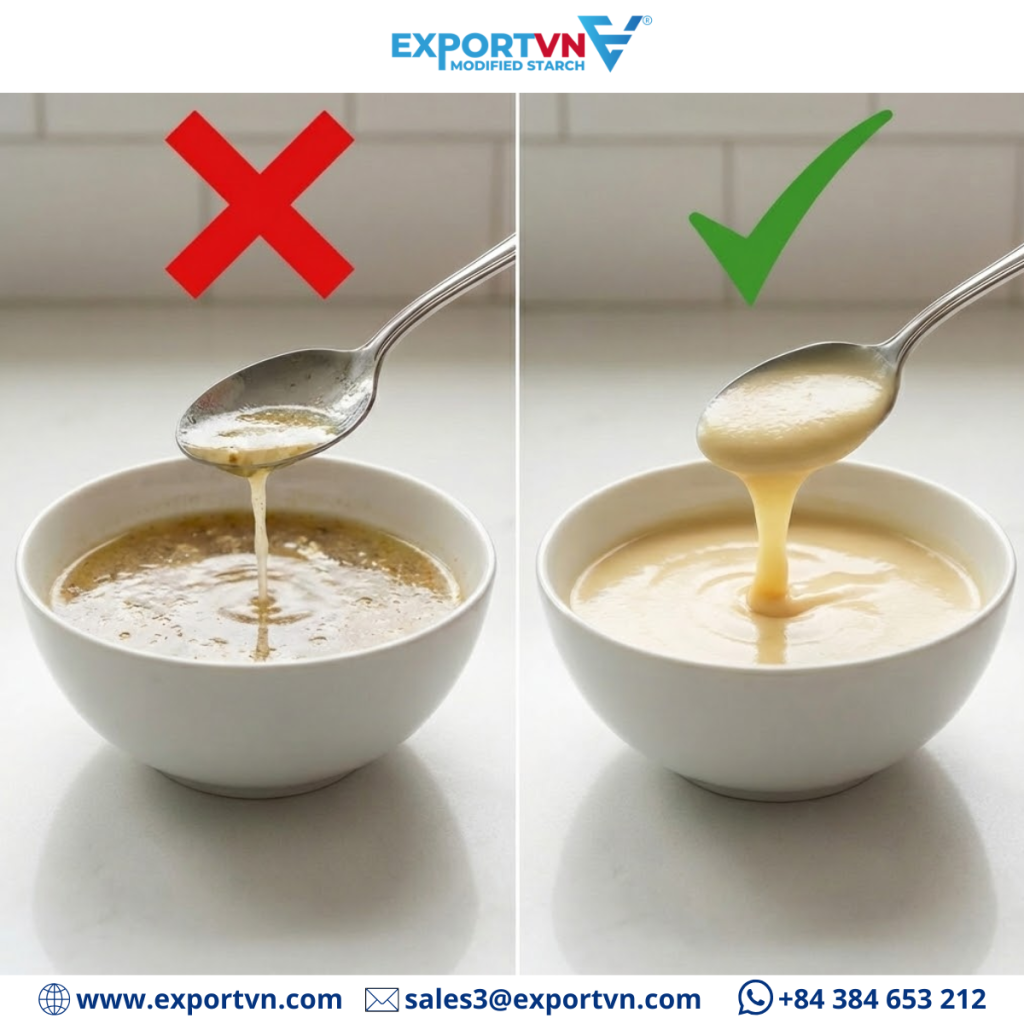
Conversely, a gluten-free loaf relies on the whole-root powder. Indeed, it needs the bulk and crumb structure desperately. However, if you swap it out for the pure isolate mistakenly, the dough collapses entirely during the baking process. Ultimately, it becomes a dense, rubbery block. Therefore, you need proper product knowledge for factory success. In conclusion, never make raw material swaps without proper testing and formulation adjustments.
Global Sourcing, Pricing, and Market Trends
Undeniably, global demand for clean-label ingredients has skyrocketed over the past decade. Specifically, consumers actively seek non-GMO and naturally gluten-free products. Consequently, this massive shift places sourcing at the absolute forefront of procurement strategies. Furthermore, massive food conglomerates need reliable supply chains desperately.
Today, brand transparency matters greatly to modern shoppers. Therefore, you can easily see why big brands prefer cassava derivatives over traditional corn options. Chiefly, they desire allergen-free status and unmatched flavor neutrality. Additionally, they need functional versatility across various temperature ranges. Naturally, pricing fluctuates based on raw root yields and processing energy costs. Moreover, global shipping logistics also impact bulk ingredient costs significantly.
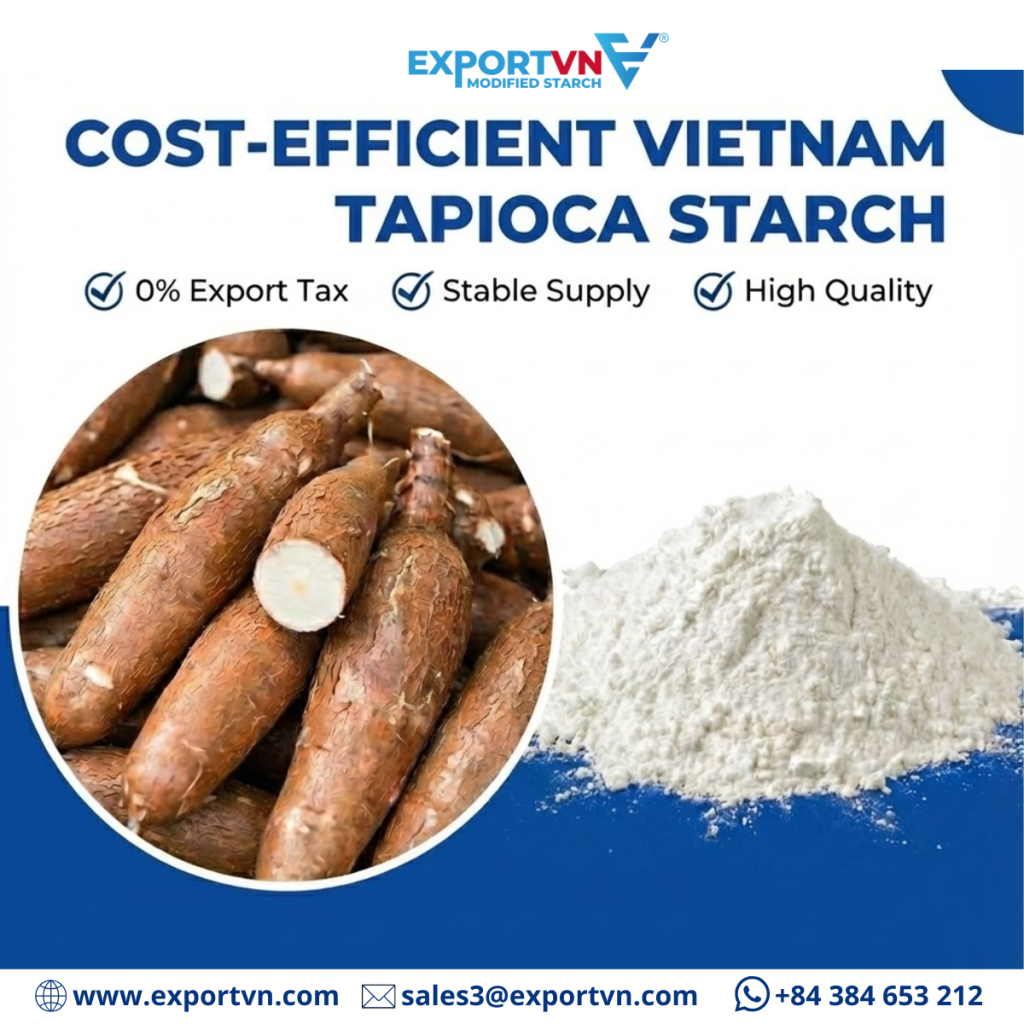
Presently, Vietnam serves as a leading global supplier. Indeed, the country produces high-quality cassava derivatives reliably. Furthermore, it enjoys favorable, year-round agricultural conditions. Additionally, manufacturers use state-of-the-art processing technologies confidently. Moreover, they apply rigorous quality control measures daily. As a result, they produce highly consistent, superior-grade products. Ultimately, these products meet strict ISO 22000 quality standards.
Conclusion
In summary, the choice comes down to one fundamental processing difference. Specifically, you must choose between pure carbohydrate isolation and whole-root preservation. Ultimately, utilizing Tapioca Starch and Tapioca Flour correctly allows rapid culinary innovation. Indeed, brands succeed when they understand their raw materials deeply.
For instance, your manufacturing process might require a clean thickening agent. Perhaps you need it for sauces, premium noodles, or clear fruit fillings. In this case, the pure isolate remains your definitive and only choice. Alternatively, you might build physical structure in gluten-free bakery items. Here, you need dietary fiber, physical bulk, and a workable dough. Consequently, the whole-root milled powder serves as the appropriate ingredient. Therefore, distinguish between these two powerful cassava derivatives clearly. By doing so, you will optimize your formulas actively. Furthermore, you will reduce costly production errors drastically. Ultimately, you will consistently deliver superior food products to your consumers.
Contact us for a free sample and technical consultation:
Ray Le (Mr.)
Overseas Sales Executive
EXPORTVN CO., LTD
Office: No. 41, T2 Street, Manhattan Villa Area, Vinhomes Grand Park, Long Binh Ward, Ho Chi Minh City, Vietnam.
Whatsapp/Mob: (+84) 984444642
Email: info@exportvn.com
Web: exportvn.com | modifiedfoodstarch.com
