


Common types of modified starch
Resistant Tapioca Starch for High-Fiber and Low-Carb Products
May
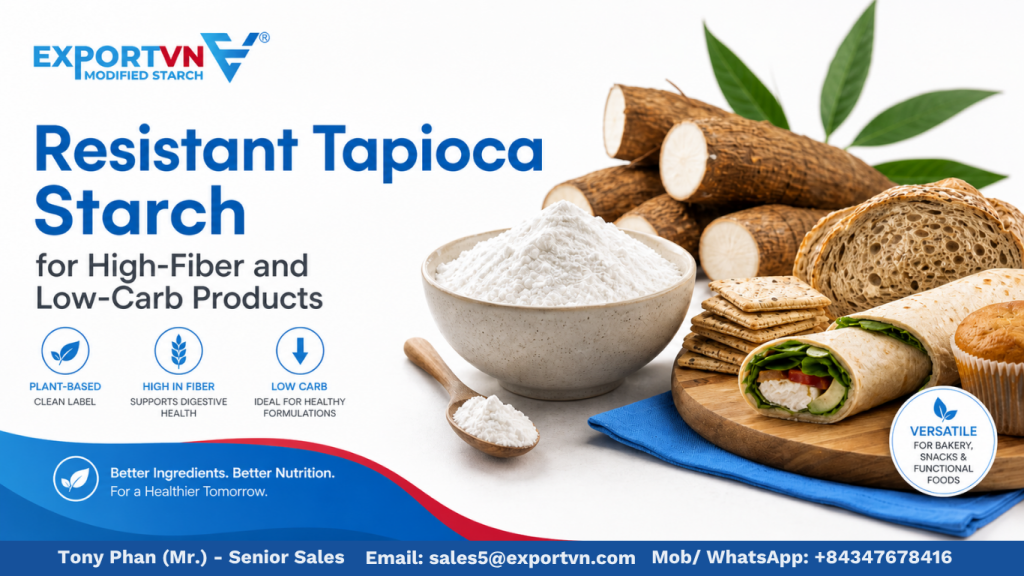
Resistant tapioca starch is becoming a valuable ingredient for brands developing healthier food products. It works as a tapioca-based dietary fiber and supports high-fiber food formulation. It is also suitable for brands looking for low-carb food ingredients with a clean taste and easy application.
Consumers today want foods that are lighter, healthier, and more functional. They are looking for products with more fiber, fewer available carbs, and better nutrition labels. For food manufacturers, this creates a need for ingredients that are both functional and easy to use.
That is why resistant tapioca starch is gaining attention in bakery, noodles, snacks, and diet-focused products. It can help improve fiber content while keeping a familiar texture and neutral taste.
Contact us now:
Tony Phan (Mr.) – Senior Sales Executive
📧 Email: sales5@exportvn.com
📞 Mob/WhatsApp: +84 347 678 416
1. What Is Resistant Tapioca Starch?
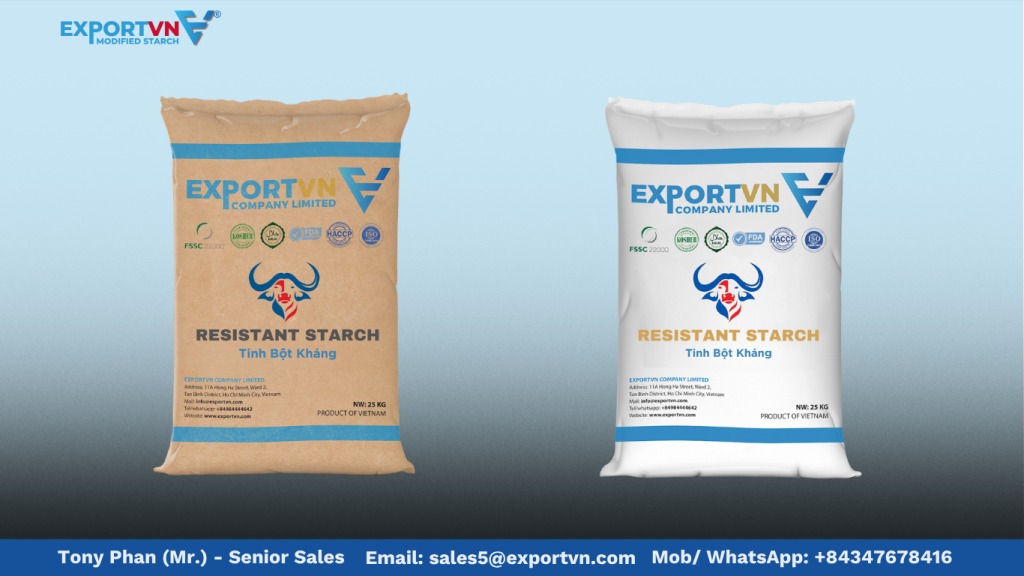
Resistant tapioca starch is derived from cassava, also known as tapioca. Unlike regular starch, part of it resists digestion in the small intestine. Because of this, it behaves more like dietary fiber.
This makes it useful for food products that target fiber enrichment, lower available carbohydrates, or better digestive wellness. It can also help support cleaner product positioning because it comes from a plant-based tapioca source.
A Tapioca-Based Ingredient with Functional Fiber Benefits
RS4 resistant starch is not fully digested like normal starch. Instead, it passes through the small intestine and reaches the large intestine. There, it may act more like fiber in the diet.
For manufacturers, this brings strong formulation value. Resistant starch for high-fiber products can be used to improve the nutritional profile of many foods. It can help increase fiber content without changing the product too much.
This is useful for brands that want to develop better-for-you foods. It is also suitable for products aimed at health-conscious consumers. These may include high-fiber bakery, low-carb noodles, nutrition snacks, and functional food products.
A Neutral-Tasting Ingredient for Easy Formulation
One important advantage of resistant tapioca starch is its mild taste. It has a light color and a neutral flavor. This makes it easier to use in many recipes.
Some fiber ingredients can create a strong taste or rough texture. That can affect consumer acceptance. Tapioca-based resistant starch is easier to blend with flour, starch, protein, or other fiber ingredients.
It also helps maintain product appearance. This is important for foods like bread, cookies, noodles, and snacks. The final product can still look familiar and appealing to consumers.
2. Applications of Resistant Tapioca Starch in High-Fiber and Low-Carb Foods
Resistant tapioca starch can be used in many food categories. It is especially useful where brands want to increase fiber or reduce available carbs. It can also support cleaner labels and plant-based product claims.
Bakery Products
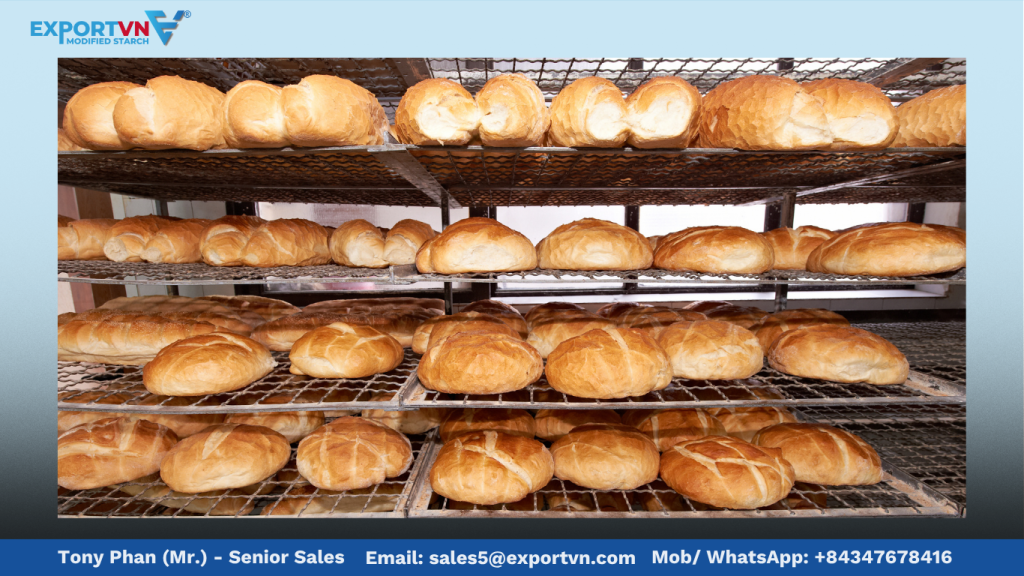
Bakery products are one of the most common application areas. This ingredient can be used in bread, cookies, cakes, muffins, and crackers. It can partially replace regular flour or starch in the formula.
For high-fiber bakery products, it helps increase dietary fiber levels. It can also reduce available carbohydrates in the final product. This makes it useful for healthier bakery concepts.
A key benefit is texture. Some fiber sources may make bakery products dry or gritty. Resistant tapioca starch can support a smoother eating experience when used properly.
Low-Carb Noodles and Pasta
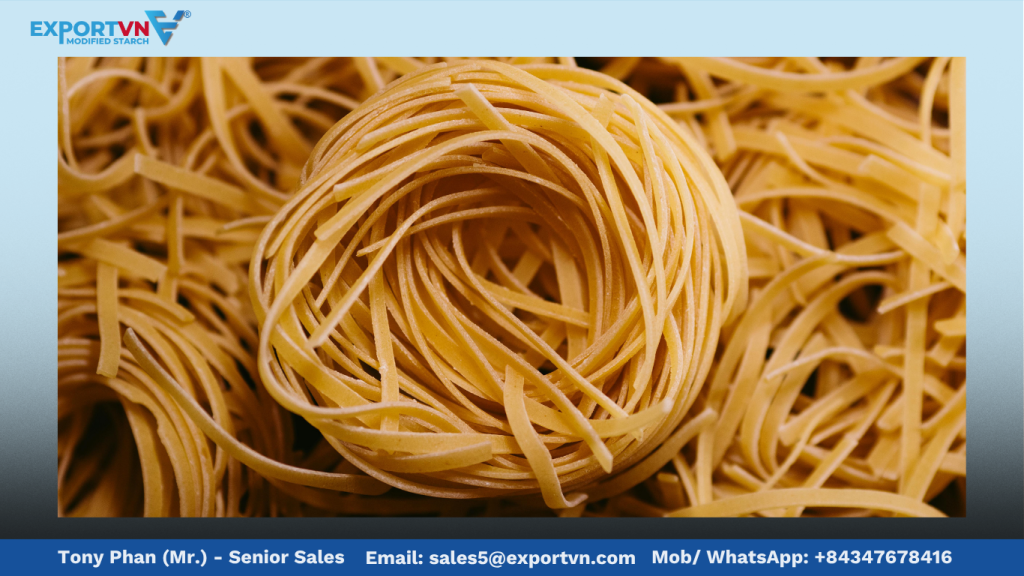
Noodle and pasta products are usually high in starch. For low-carb product development, manufacturers often need to replace part of the regular starch or flour. A low-carb tapioca starch ingredient can help support this goal.
It can be used in instant noodles, vermicelli, pasta, and specialty diet noodles. It helps increase fiber while reducing the share of digestible starch. This is valuable for products aimed at modern wellness trends.
It can also work with other ingredients. These may include wheat flour, rice flour, tapioca starch, pea protein, or other dietary fibers. The final formula will depend on the target texture and nutrition claim.
Snacks and Extruded Products

Snacks and extruded products are also moving toward healthier positioning. Consumers still want enjoyable snacks, but they also want better nutrition. This creates opportunities for high-fiber chips, puffed snacks, crackers, and snack bars.
Resistant starch for high-fiber products can help improve the fiber content of snacks. It can also support a lighter nutrition profile. At the same time, it helps keep a pleasant texture.
For puffed snacks, crackers, and snack bars, formulation balance is important. The starch system affects expansion, crispness, and mouthfeel. Resistant starch can be tested with other starches to reach the desired result.
Key Benefits for Food Manufacturers
For manufacturers, resistant tapioca starch offers several practical benefits. It supports fiber enrichment and carb reduction. It also has a neutral taste, which makes product development easier.
It is compatible with many food systems. These include bakery, noodles, snacks, and nutrition products. It can also support gluten-free and plant-derived positioning.
Another benefit is consumer appeal. Tapioca is widely recognized as a familiar plant-based source. This can help brands create products that feel both healthy and approachable.
Manufacturers can use it to develop products for different market needs. These may include high-fiber foods, reduced-carb foods, diet products, and better-for-you snacks.
3. EXPORTVN – Modified Tapioca Starch Supplier from Vietnam
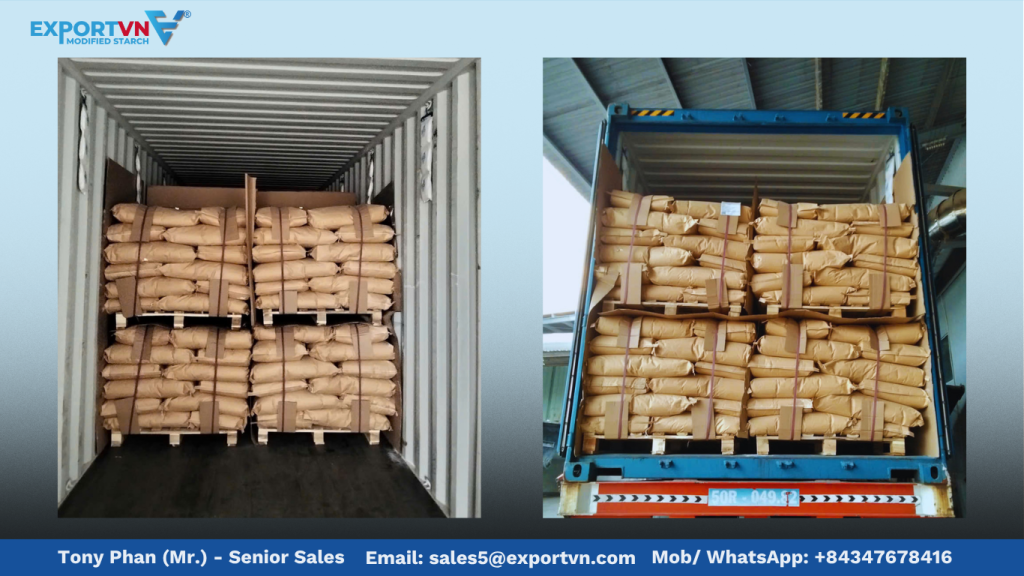
For businesses seeking a reliable and high-quality source of Modified Tapioca Starch, ExportVN stands as a leading supplier of Tapioca Starch in Vietnam. Opting for ExportVN offers several distinct advantages:
- Customized Packaging: We support various packaging options and ODM under your label.
- Competitive prices: Prices are based on production costs, so they are sure to fit your budget.
- Expert advice: We have a team of experienced professionals who can help you choose the right modified tapioca starch for your needs.
- Lead time: We offer a competitive lead time of approximately 2 weeks.
- Customization: We can adjust product parameters to meet your precise requirements for tapioca starch.
- Flexible Ordering: You can conveniently mix 2-3 different starch products in a single order.
Conclusion
Resistant tapioca starch is a practical ingredient for high-fiber and low-carb product development. It provides functional fiber benefits, a neutral taste, and wide application potential.
For food manufacturers, resistant starch for high-fiber products can support better nutrition labels without sacrificing product quality. As a low-carb tapioca starch ingredient, it is suitable for bakery, noodles, pasta, snacks, and many modern food concepts. As demand for healthier products continues to grow, this ingredient can be a strong choice for innovative food formulation.
Contact us now:
Tony Phan (Mr.) – Senior Sales Executive
📧 Email: sales5@exportvn.com
📞 Mob/WhatsApp: +84 347 678 416
